Habitat for Humanity
Across the Pacific, communities are preparing for a future where cyclones and extreme weather events are becoming more frequent and severe.
Yet many families remain vulnerable. Around one in four people in Fiji, Samoa and Tonga live below a basic-needs poverty line, making it harder for families and communities to prepare their homes for increasingly severe cyclones and storms. [1]
That's why preparedness starts now.
Long before a cyclone appears on the horizon, communities are already taking action. They're strengthening homes, learning practical skills, improving access to safe water and working together to identify risks and plan for what comes next.
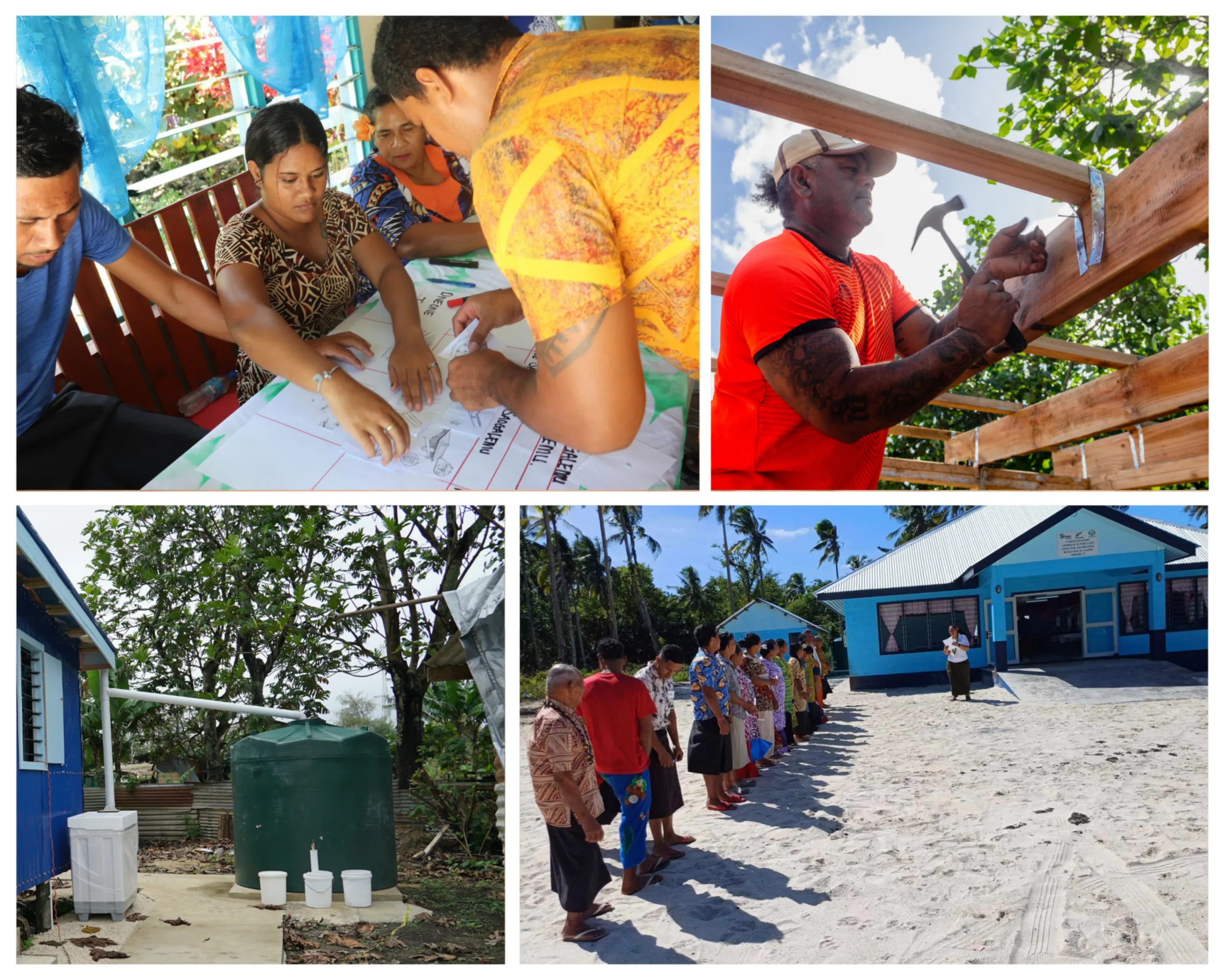
Over the past five years, Habitat for Humanity New Zealand and local partners have worked alongside communities in Fiji, Samoa and Tonga to help families become stronger before the storm. Through Build Back Safer training, women's plumbing programmes, vocational training and community-led initiatives, people are gaining the skills, knowledge and confidence needed to build resilience for the future.
Since 2021, Habitat and local partners have worked alongside 51 communities, delivered 44 Build Back Safer trainings, delivered 24 women's plumbing trainings, and supported the construction of 35 homes through training programmes and community initiatives.
Behind every statistic is a story of preparedness in action.
🏠 Safer homes
🔨 Practical skills training
💧 Water security
🤝 Community-led planning
Communities taking action today to become stronger before the storm.
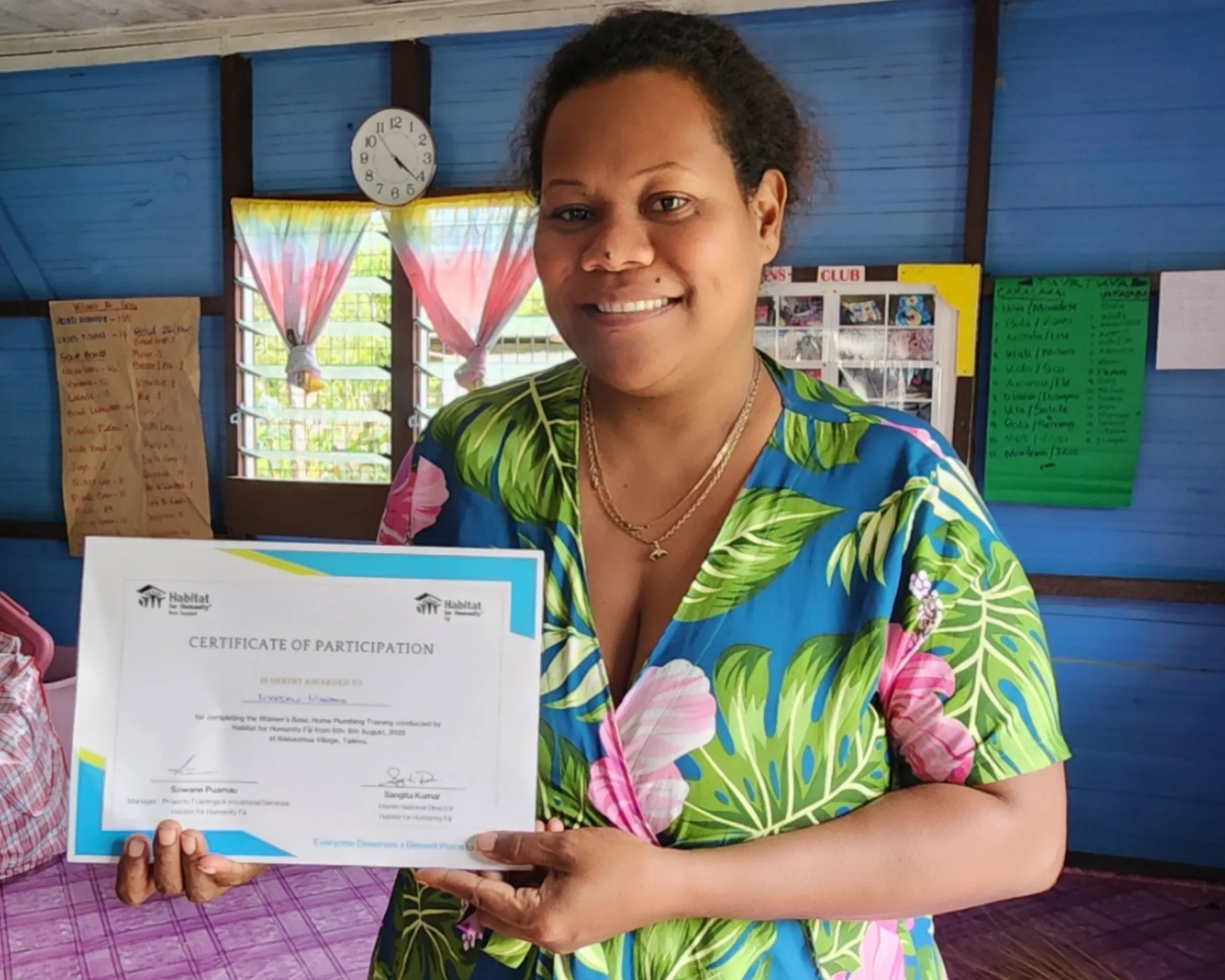
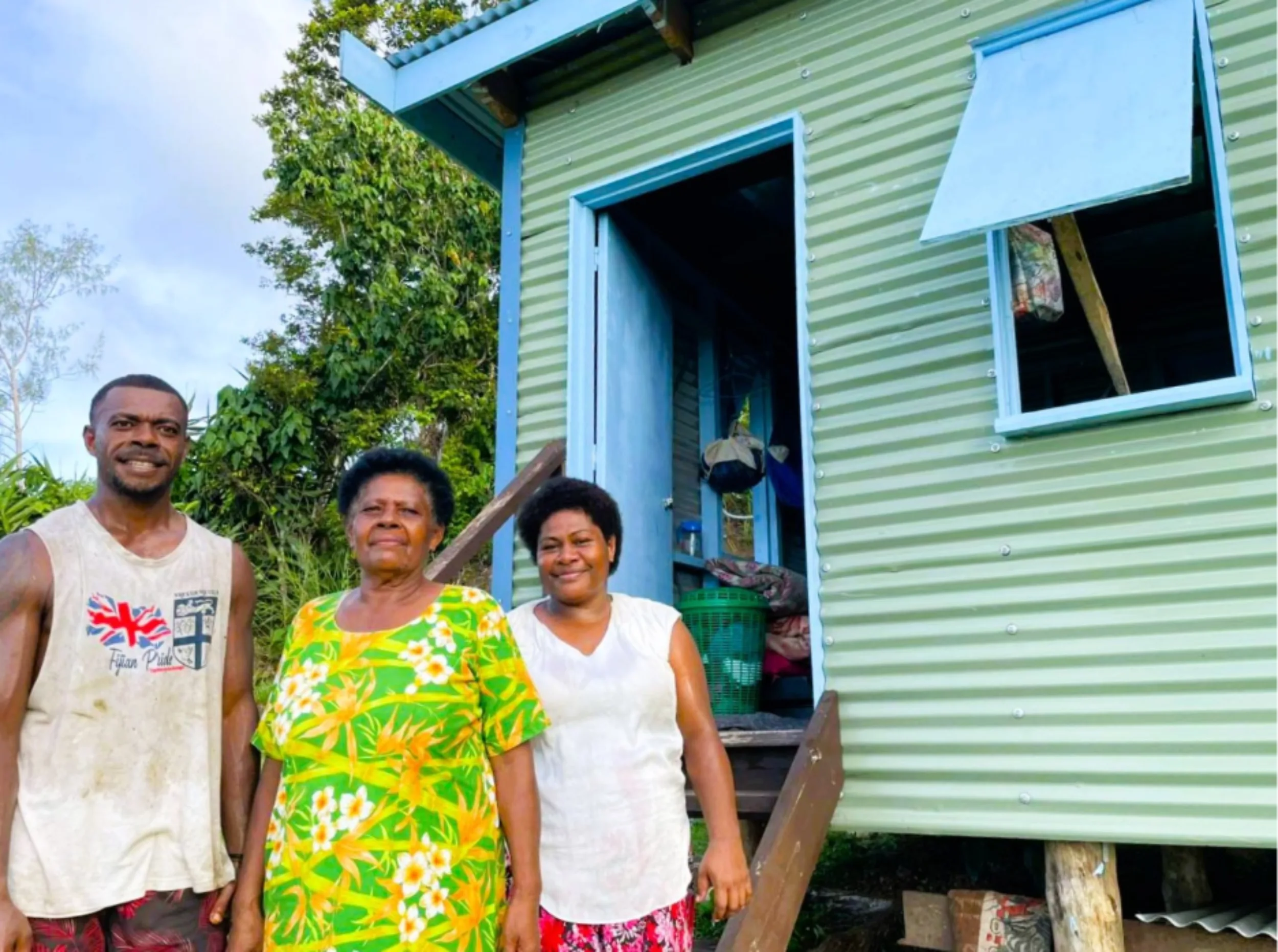
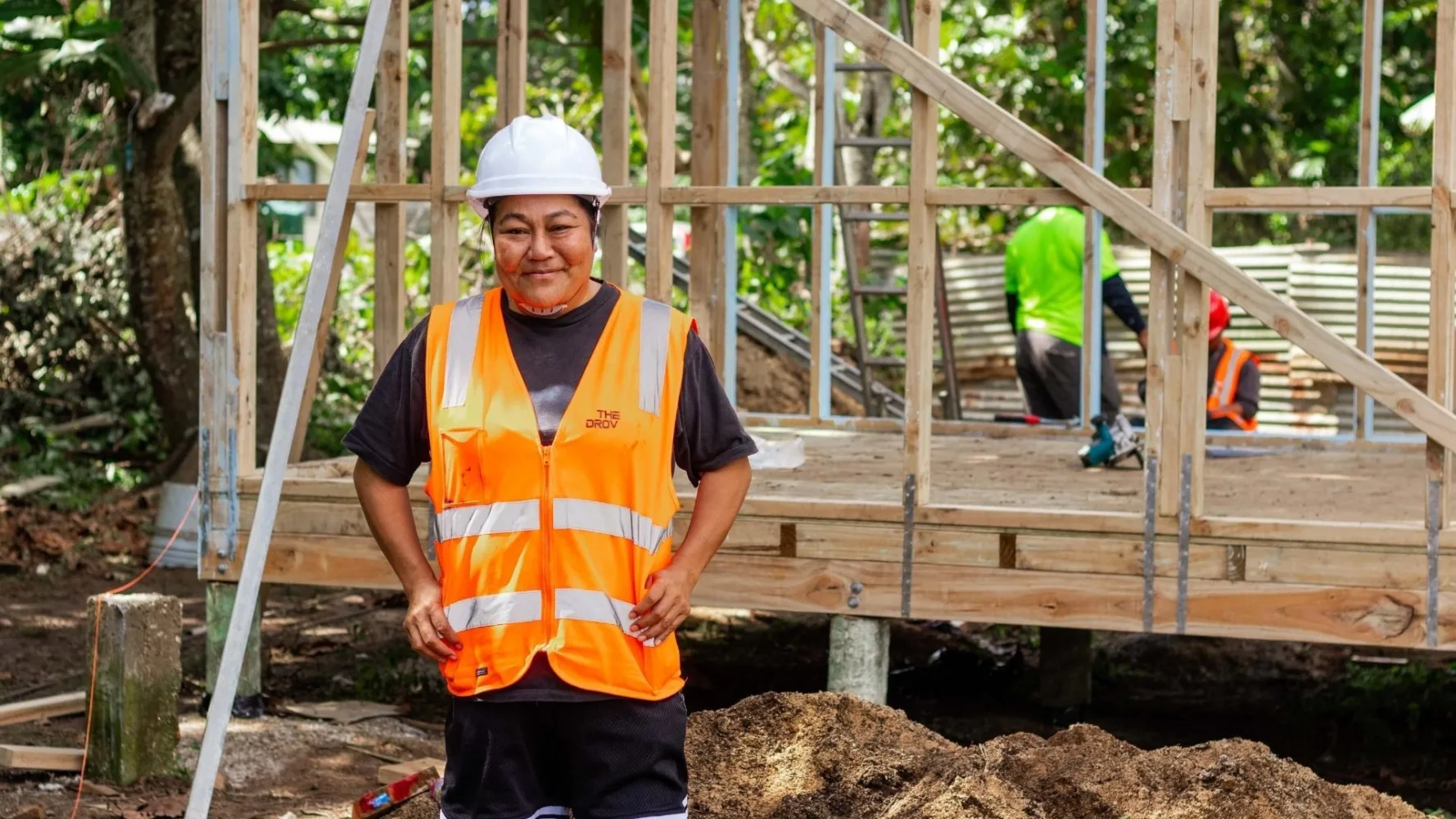
For Mereani in Fiji, preparedness began with a simple opportunity to learn.
Mereani is one of 24 women who have taken part in plumbing training programmes. Through Habitat Fiji's Basic Home Plumbing Training programme, she gained practical skills that are helping her build greater confidence and self-reliance while strengthening her family's resilience.
More importantly, she gained confidence.
"I can solve problems myself now."
But the training is about more than fixing pipes. Participants learn practical plumbing and repair skills, gain knowledge about safe water and hygiene, and learn how to maintain reliable water supplies. These skills become especially important when cyclones and severe weather disrupt daily life, damage infrastructure or affect access to safe water.
Like many participants, Mereani shares her knowledge with neighbours and family members, passing on practical skills that strengthen the resilience of her wider community.
This is what cyclone preparedness looks like in practice. Skills like these help families maintain access to safe water, recover more quickly from severe weather and build resilience before the next cyclone season arrives.
Preparedness can also look like learning how to make homes safer before severe weather arrives.
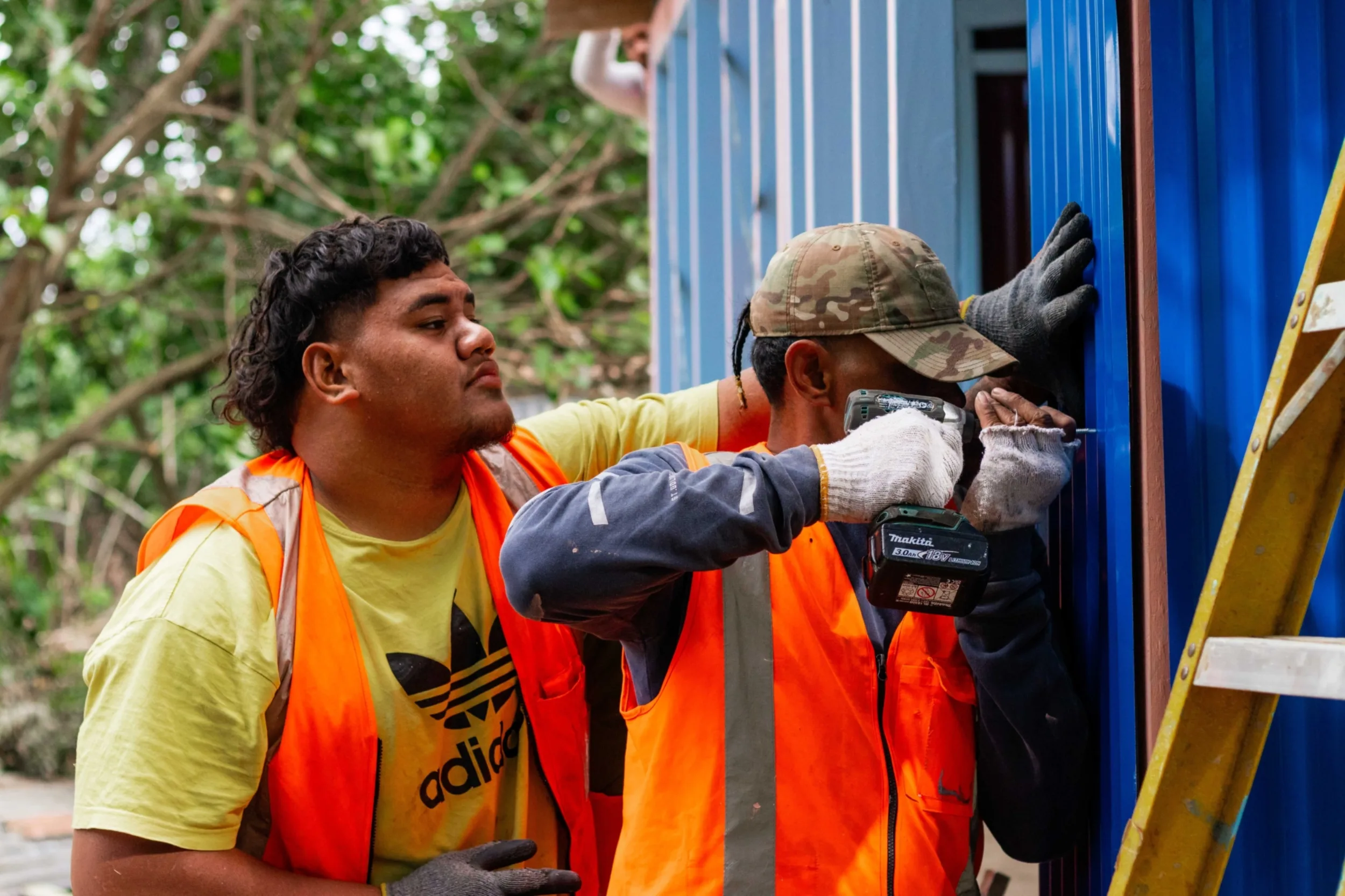
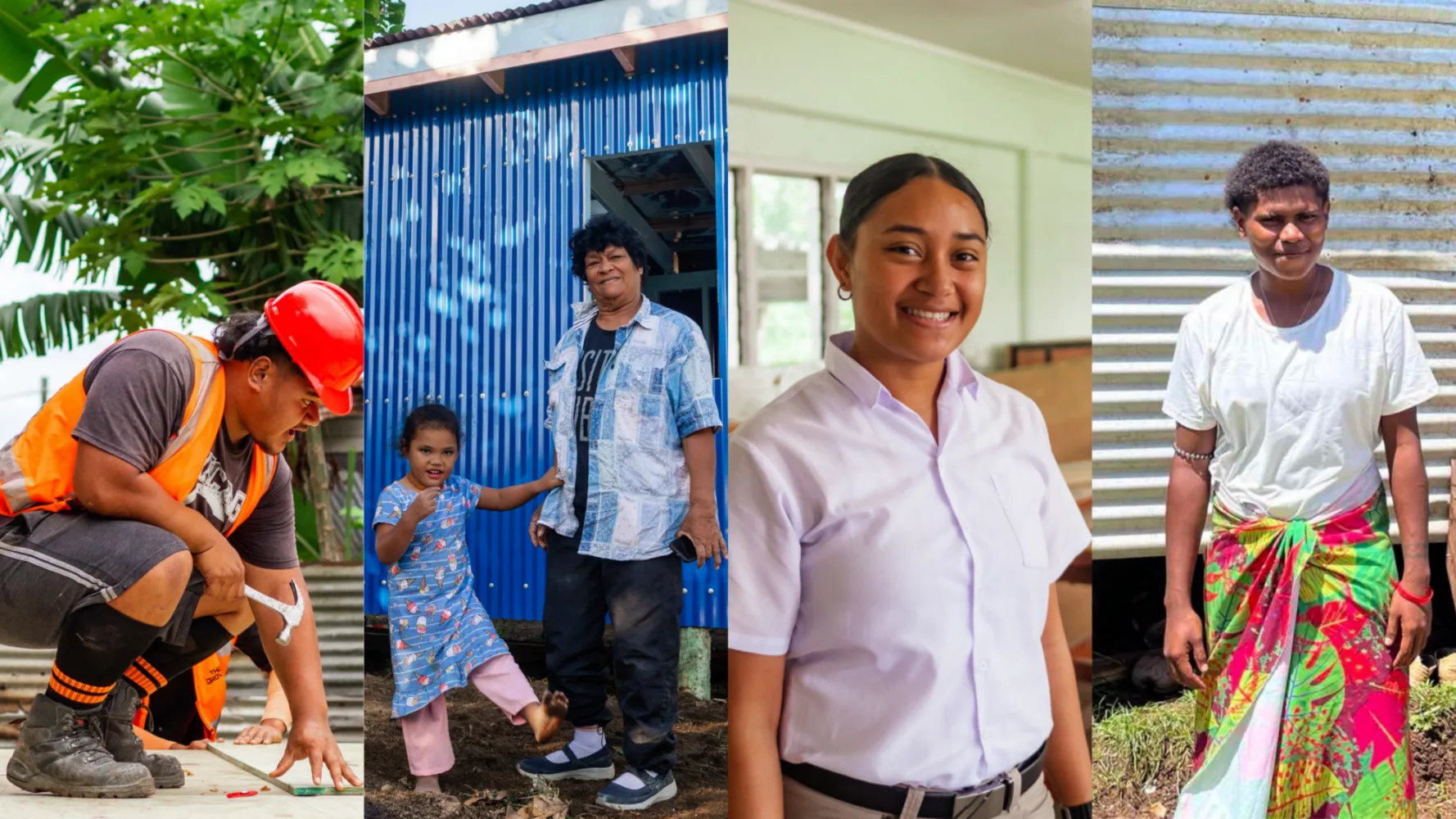
When Tiseni joined a Build Back Safer training in Tonga, he had never read a tape measure before. He simply wanted to learn construction skills that could help build a future for himself.
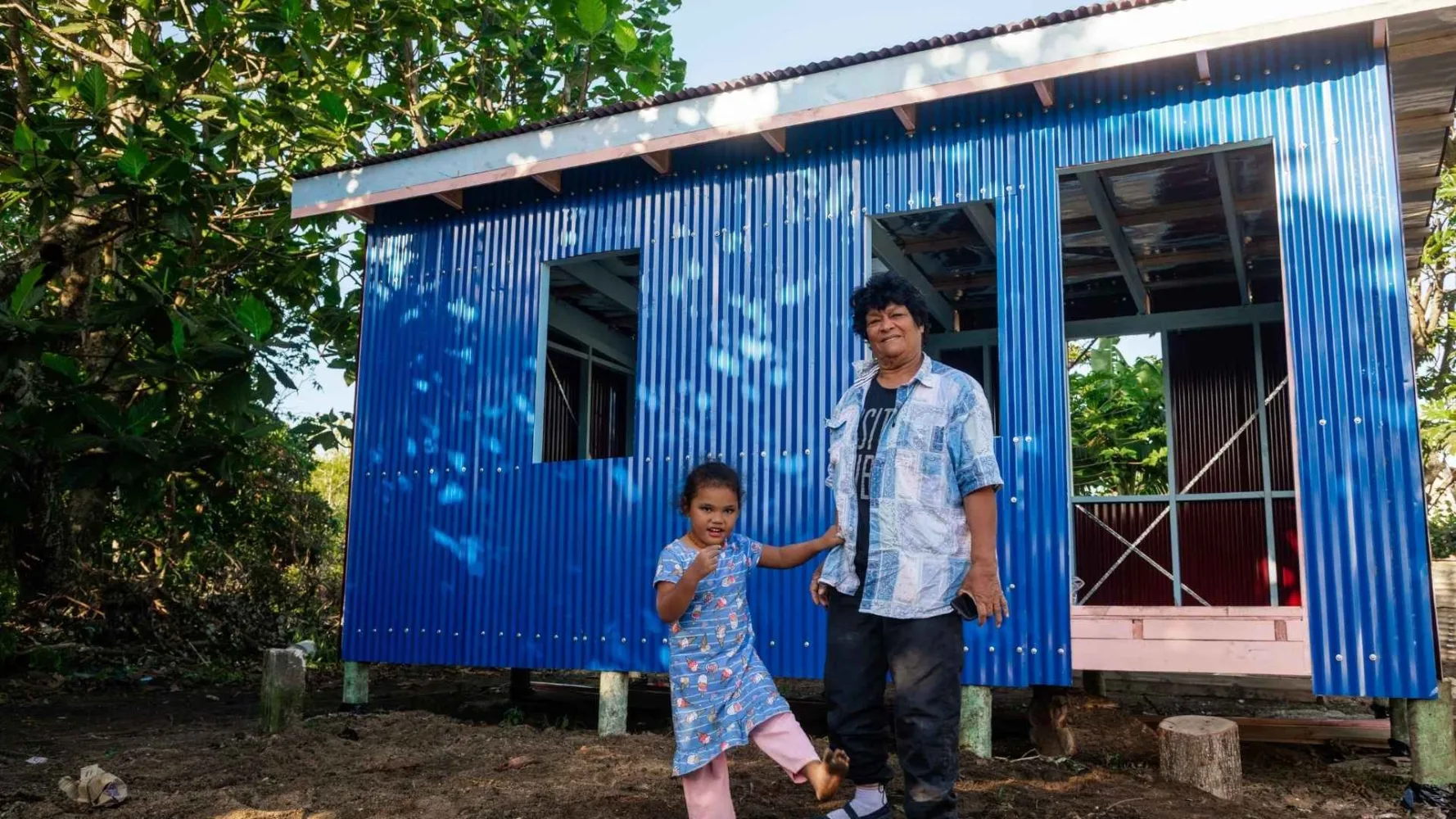
Over ten days, he worked alongside other trainees and qualified carpenters to build a home for Fusi, a grandmother caring for her family in increasingly unsafe living conditions.
"It feels kind of nice knowing that you're helping an elderly person," Tiseni said. "It makes me feel proud."
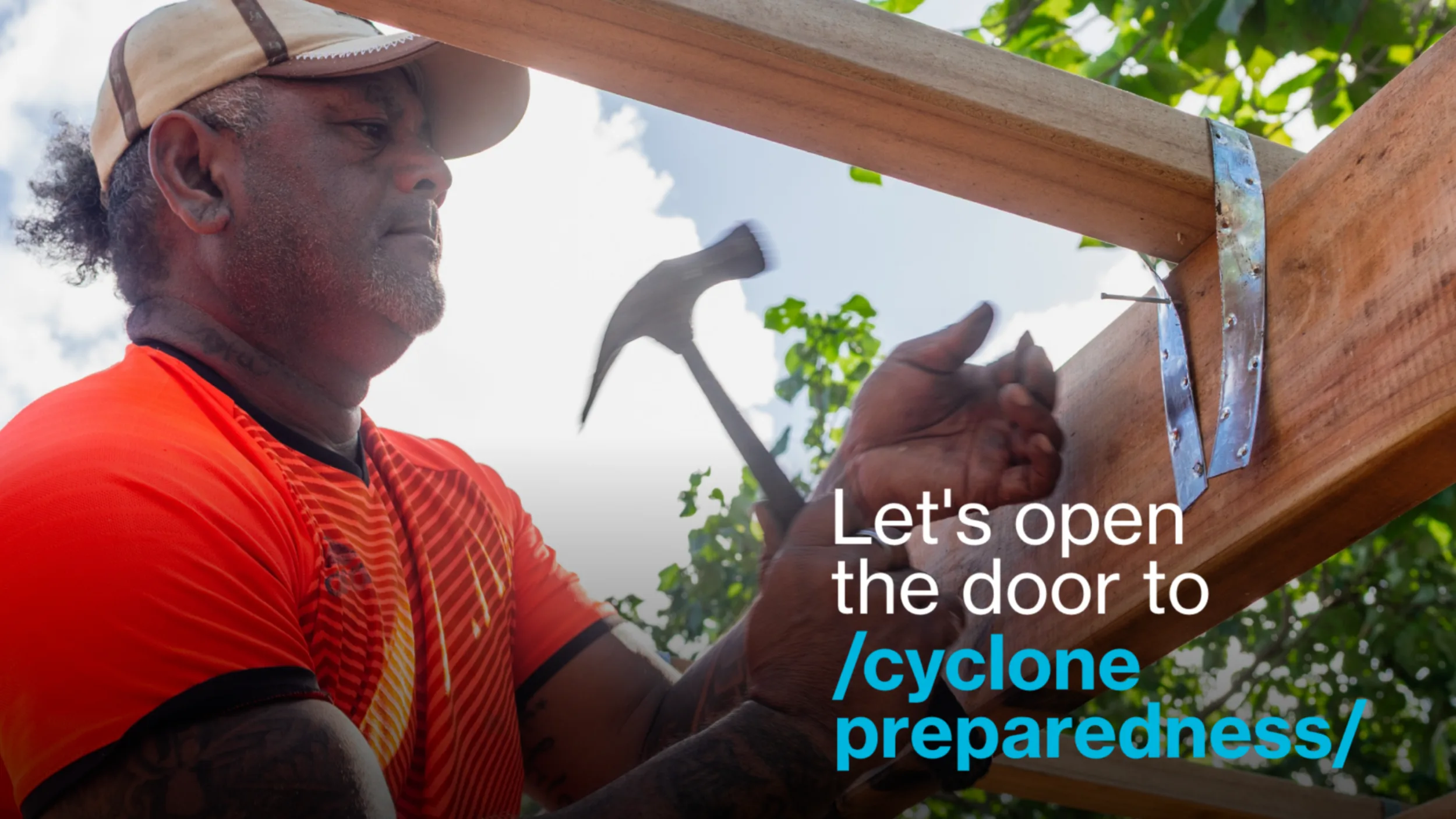
The Build Back Safer programme teaches practical techniques such as cyclone strapping, stronger roof connections and safer construction methods. These skills help reduce risk during severe weather events and remain in communities long after the training ends.
For Tiseni, the experience offered more than construction skills. It gave him the opportunity to make a real difference in someone else's life.
For Fusi, it meant a safer place to call home.
That's what makes preparedness so powerful. It's not just about buildings or training sessions. It's about people gaining skills that continue protecting families and communities long into the future.
For Melania, preparedness means having a home she can rely on.
After losing her husband, a safe and secure home felt increasingly out of reach. Today, she lives in a cyclone-safe home alongside her son and daughter-in-law.
She calls it a blessing.
For Melania, a safe home means more than shelter. It means peace of mind. It means security when severe weather threatens her community. It means knowing her family has a safer place to shelter and recover when challenges arise.
Her story is one example of what preparedness can look like.
Across the Pacific, communities are already taking action to prepare for what comes next.
With your support, more families can access practical training, safer housing and community-led preparedness initiatives that help reduce risk, strengthen resilience and prepare before disaster strikes.
[1] Source: Calculated from figures reported in Viggers, H. (2009), Poverty Housing in the Developing Nations of the Pacific Islands, Habitat for Humanity Asia-Pacific.
Right now, every donation to Habitat for Humanity New Zealand's Pacific Fund becomes five times the impact through New Zealand Government match funding.
Built by communities. Made possible by you.
Donate today and help open the door to cyclone preparedness.


If you wish to make a donation via credit card over the phone, please phone us on (09) 579 4111
You can donate via internet banking:
Habitat for Humanity New Zealand
ANZ
06-0177-0127197-00
If you wish your donation to go to a specific appeal please include in the payment Reference
If you make a donation on our website your receipt will be emailed to you automatically.
If you choose to donate via internet banking, you will receive your receipt via email 1-2 days after you make your donation. If no email address is given, your receipt will be posted to the address given.
Donations over $5.00 are tax deductible. You can submit your receipt to IRD website, and they will process your tax rebate.
Yes, you can give regular monthly donations to your chose Habitat for Humanity appeal. Just select 'give monthly' when processing your donation payment.
You can change, cancel or suspend your monthly donation at any time. Please email us at info@habitat.org.nz, or phone us on (09) 579 4111.
Your credit card will be charged once you submit your first monthly gift, and future donations will be made on that same day going forward. If you wish to change your payment date to better suit your pay cycle, please get in touch via information@habitat.org.nz, or phone us on (09) 579 4111 and we can easily action that for you.
Yes, you will receive an annual tax receipt at the close of the financial year, recording all donations.
Yes, if you wish to donate via internet banking, our details are
Habitat for Humanity New Zealand
ANZ
06-0177-0127197-00
If you wish your donation to go to a specific appeal, please enter into your Reference
One tax receipt recording all your donations for the financial year, making it easy to claim your tax rebate.
With small payments spread out month to month, becoming a HopeBuilder can suit any budget. Even a small amount can have a huge impact.
Your donation occurs automatically each month, and you can pause, downgrade, upgrade, or cancel at any time.
Your regular support ensures long-term impact, all year long.
Please fill in the below enquiry form and we will be in touch soon.
Please fill in the below enquiry form with your details and we will be in touch within 2 working days.