Habitat for Humanity
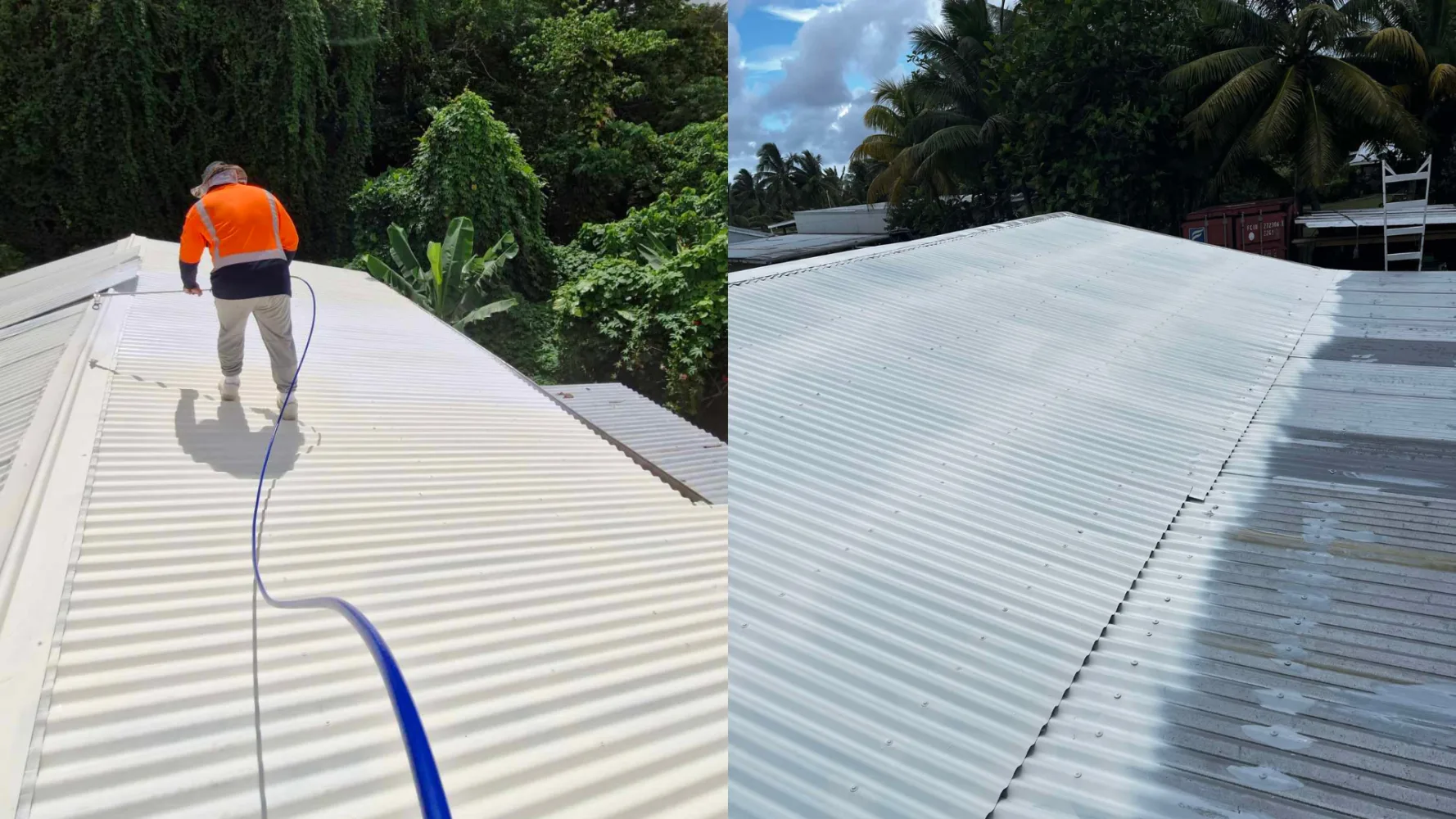
In 2025, we shared how Habitat for Humanity New Zealand was supporting the REFLECT project in Niue. The project, led by the University of Auckland (UoA), explored whether reflective roof coatings could help make homes cooler and protect people from the health impacts of extreme heat.
Fast forward to late 2026 and the project has reached an important milestone: 12 months of participant follow-up are complete, and researchers are now analysing the data to understand what difference cool roofs could make.
As temperatures rise, extreme heat is becoming an increasing health concern. In places like Niue, homes can become uncomfortably hot, making practical ways to reduce indoor temperatures increasingly important.
The REFLECT project is exploring whether a relatively simple intervention, applying reflective "cool roof" coatings, can help address this challenge.
Supported by Habitat for Humanity New Zealand, researchers are measuring the health, environmental and economic impacts of cool roofs across multiple countries, including Niue.
The study in Niue has now completed its full 12-month participant follow-up period.
Following recruitment and roof painting in late 2024, research participants were monitored throughout 2025 and into 2026. In total, 206 households and 294 participants took part in the trial, making it one of the most significant studies of its kind undertaken in the Pacific.
Throughout the year, researchers collected information on a wide range of health and wellbeing indicators, including sleep, heart rate, physical activity, dehydration, blood pressure and heat-related symptoms. Smartwatches, surveys and health assessments were used to better understand how indoor temperatures can influence daily life and health outcomes.
With data collection now complete, researchers are entering the next stage of the project: analysing the results.
The findings are expected to help inform future approaches to housing, health and climate adaptation across Pacific communities and other regions vulnerable to extreme heat.
Community involvement has remained central to the project in Niue.
Local village councils, tradespeople and community members have played a central role in organising roof installations and supporting data collection activities. Community engagement has continued throughout the project through village meetings, radio programmes, television presentations and stakeholder discussions.
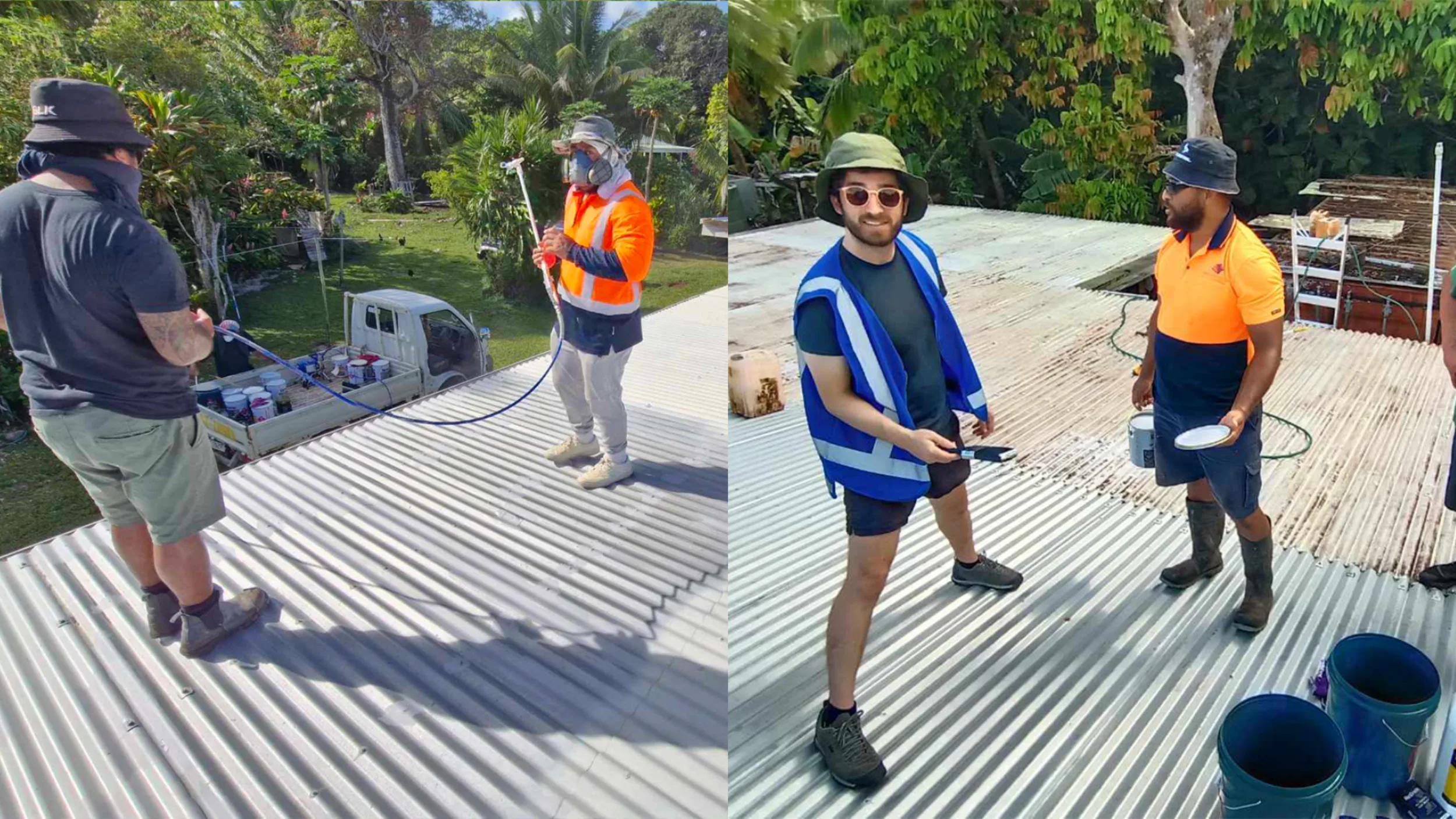
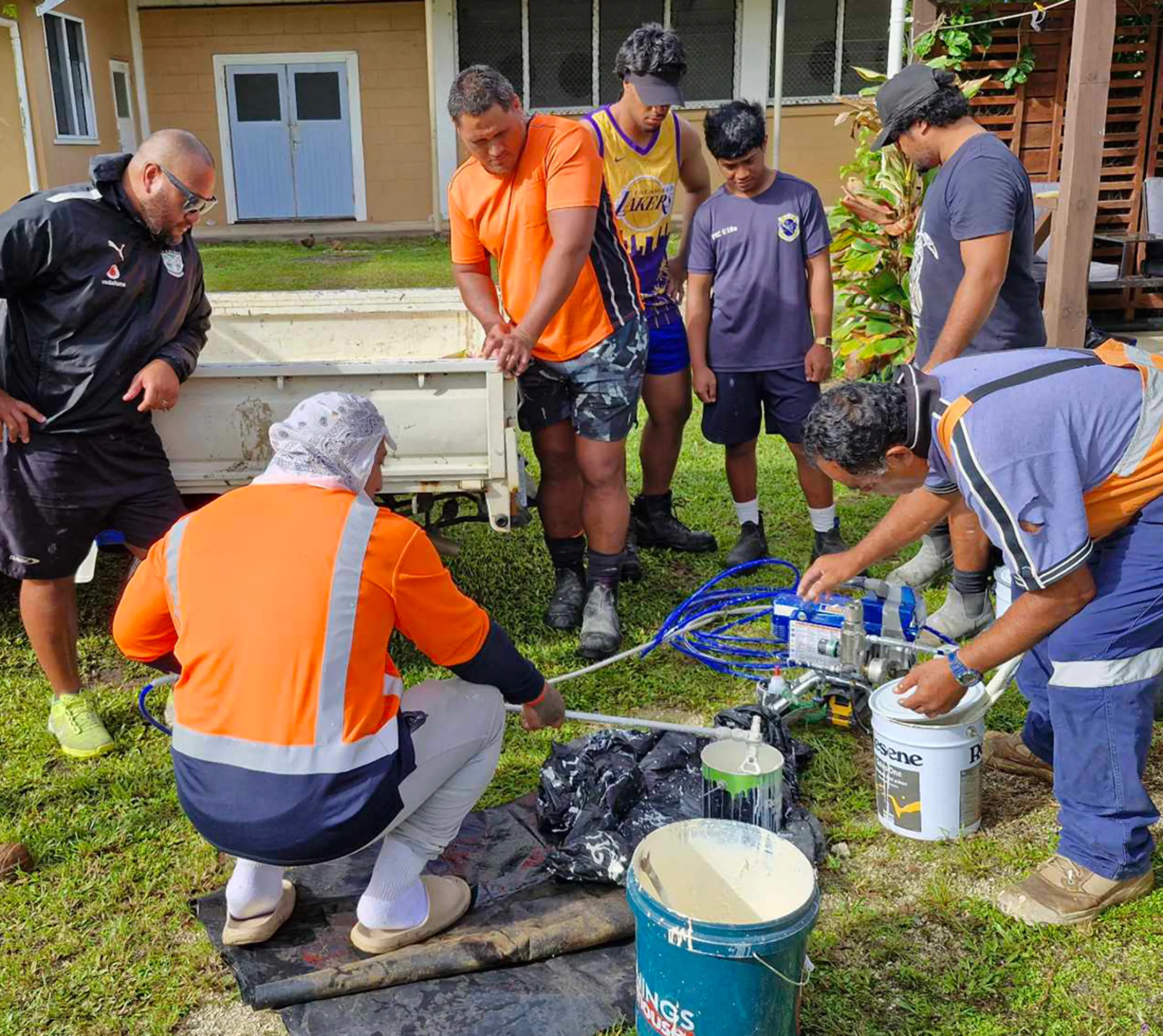
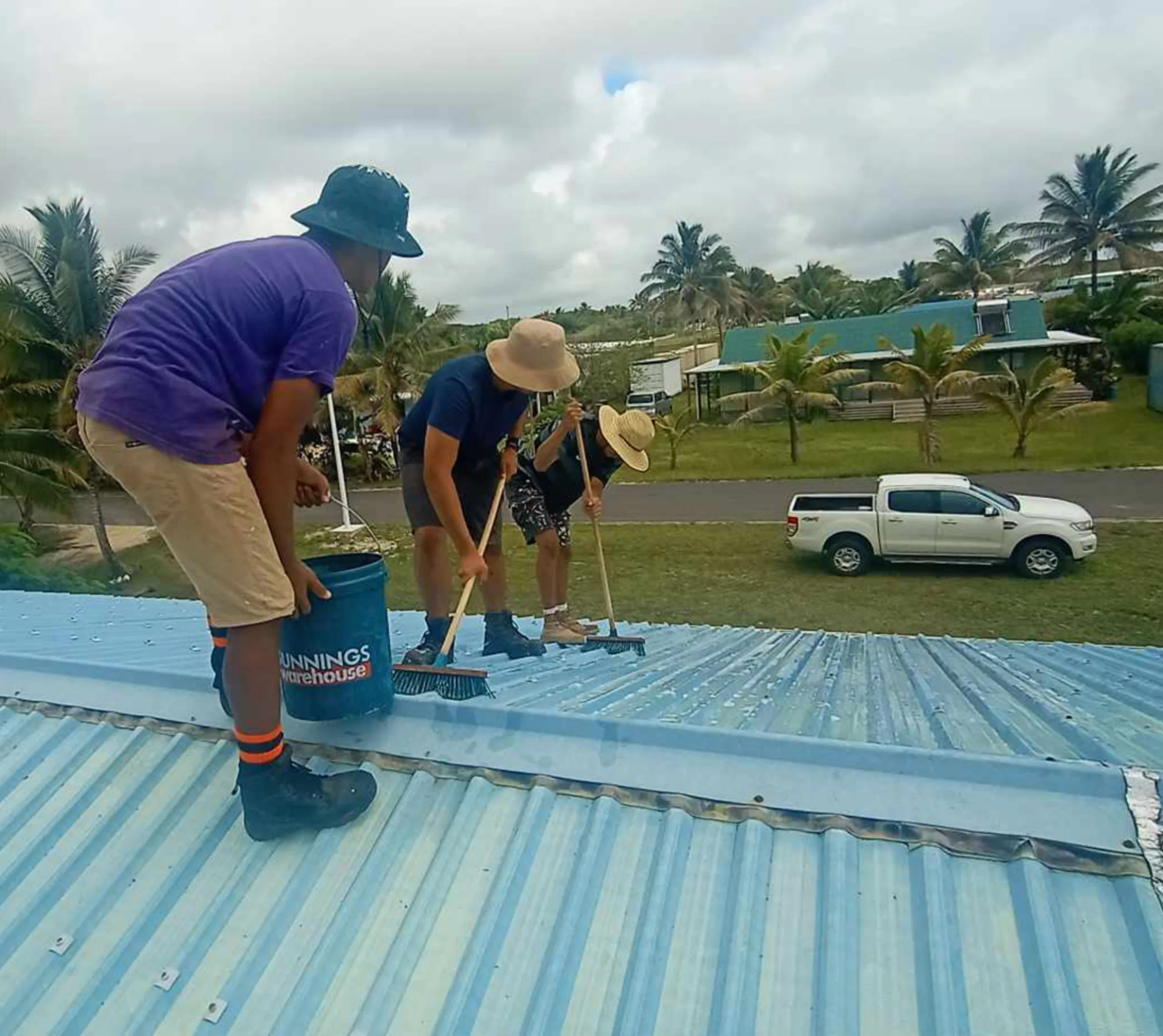
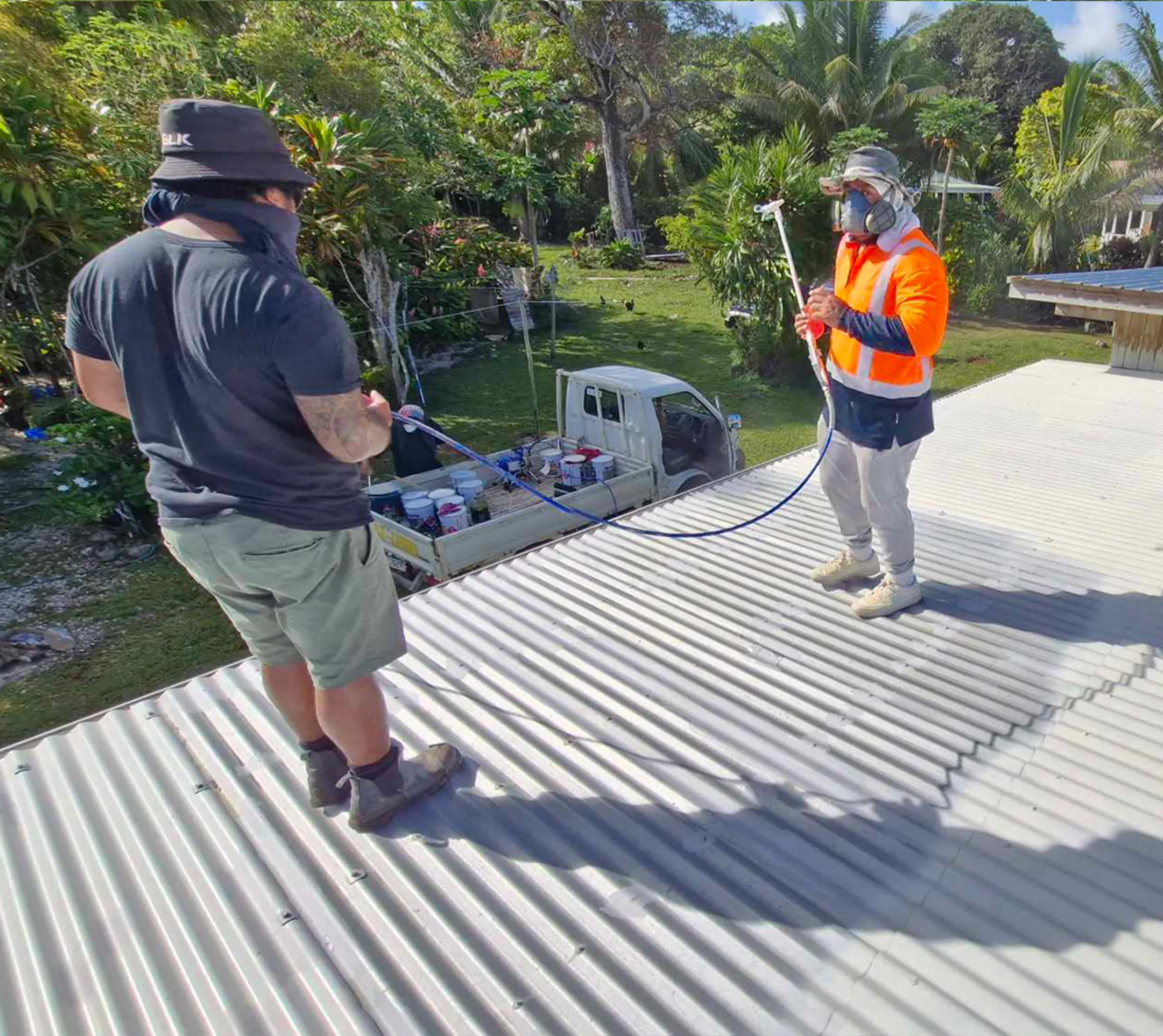
Local workers also received specialised cool roof application training, building practical skills that can benefit communities beyond the life of the research project. After initial training in New Zealand, local teams successfully led roof installation work in Niue with ongoing technical support.
This community-led approach reflects Habitat's belief that lasting change happens when people are active participants in creating solutions for their own communities.
The REFLECT project is about more than paint.
It's about understanding how housing can protect health in a changing climate.
Extreme heat is increasingly recognised as a serious health risk worldwide. By examining whether simple housing improvements can reduce heat exposure, researchers hope to identify practical and affordable solutions that can be scaled across climate-vulnerable communities.
The study is also investigating potential impacts on household energy costs, comfort and wellbeing, providing a broader picture of how housing influences quality of life.
For Pacific communities on the frontline of climate change, evidence like this will be increasingly important in helping governments, organisations and communities make informed decisions about future housing and climate adaptation investments.
While data analysis is still underway, one thing is already clear: strong partnerships between communities, researchers and organisations can drive innovation and create meaningful opportunities to strengthen climate resilience.
Habitat for Humanity New Zealand's support helped fund the cool roof coatings used in Niue, contributing to a project that is generating valuable evidence for the Pacific and beyond.
As the research team analyses results over the coming months, we look forward to sharing what they've learned and how those findings could help shape healthier, more climate-resilient homes for future generations.
Your support helps Habitat work alongside Pacific communities to find practical housing solutions that improve health, strengthen resilience and prepare families for a changing climate.


Can I make a donation over the phone or via internet banking?
If you wish to make a donation via credit card over the phone, please phone us on (09) 579 4111
You can donate via internet banking:
Habitat for Humanity New Zealand
ANZ
06-0177-0127197-00
If you wish your donation to go to a specific appeal, please include in the payment Reference. If you know your 'supporter ID number' please include it in the Particulars.
Yes. If you make a one-off donation through our website, your receipt will be emailed to you automatically.
If you donate via internet banking, we'll email your receipt within 4-5 business days. If no email address is provided and we have a postal address for you, we'll send your receipt by post.
If you've made a donation by bank transfer and would like a receipt, feel free to email your details to info@habitat.org.nz so we can match your donation and send your receipt.
If you've chosen to donate regularly, we'll send you a single annual receipt after the end of the tax year (31 March), which can be used to claim your donation tax credit from Inland Revenue (IRD).
Donations over $5.00 are tax deductible. You can submit your receipt to IRD website, and they will process your tax rebate.
Yes, you can give regular monthly donations to your chose Habitat for Humanity appeal. Just select 'give monthly' when processing your donation payment.
You can change, cancel or suspend your monthly donation at any time. Please email us at info@habitat.org.nz, or phone us on (09) 579 4111.
Your credit card will be charged once you submit your first monthly gift, and future donations will be made on that same day going forward. If you wish to change your payment date to better suit your pay cycle, please get in touch via information@habitat.org.nz, or phone us on (09) 579 4111 and we can easily action that for you.
Yes, you will receive an annual tax receipt at the close of the financial year, recording all donations.
Yes, if you wish to donate via internet banking, our details are
Habitat for Humanity New Zealand
ANZ
06-0177-0127197-00
If you wish your donation to go to a specific appeal, please enter into your Reference
One tax receipt recording all your donations for the financial year, making it easy to claim your tax rebate.
With small payments spread out month to month, becoming a HopeBuilder can suit any budget. Even a small amount can have a huge impact.
Your donation occurs automatically each month, and you can pause, downgrade, upgrade, or cancel at any time.
Your regular support ensures long-term impact, all year long.
Please fill in the below enquiry form and we will be in touch soon.
Please fill in the below enquiry form with your details and we will be in touch within 2 working days.