Habitat for Humanity
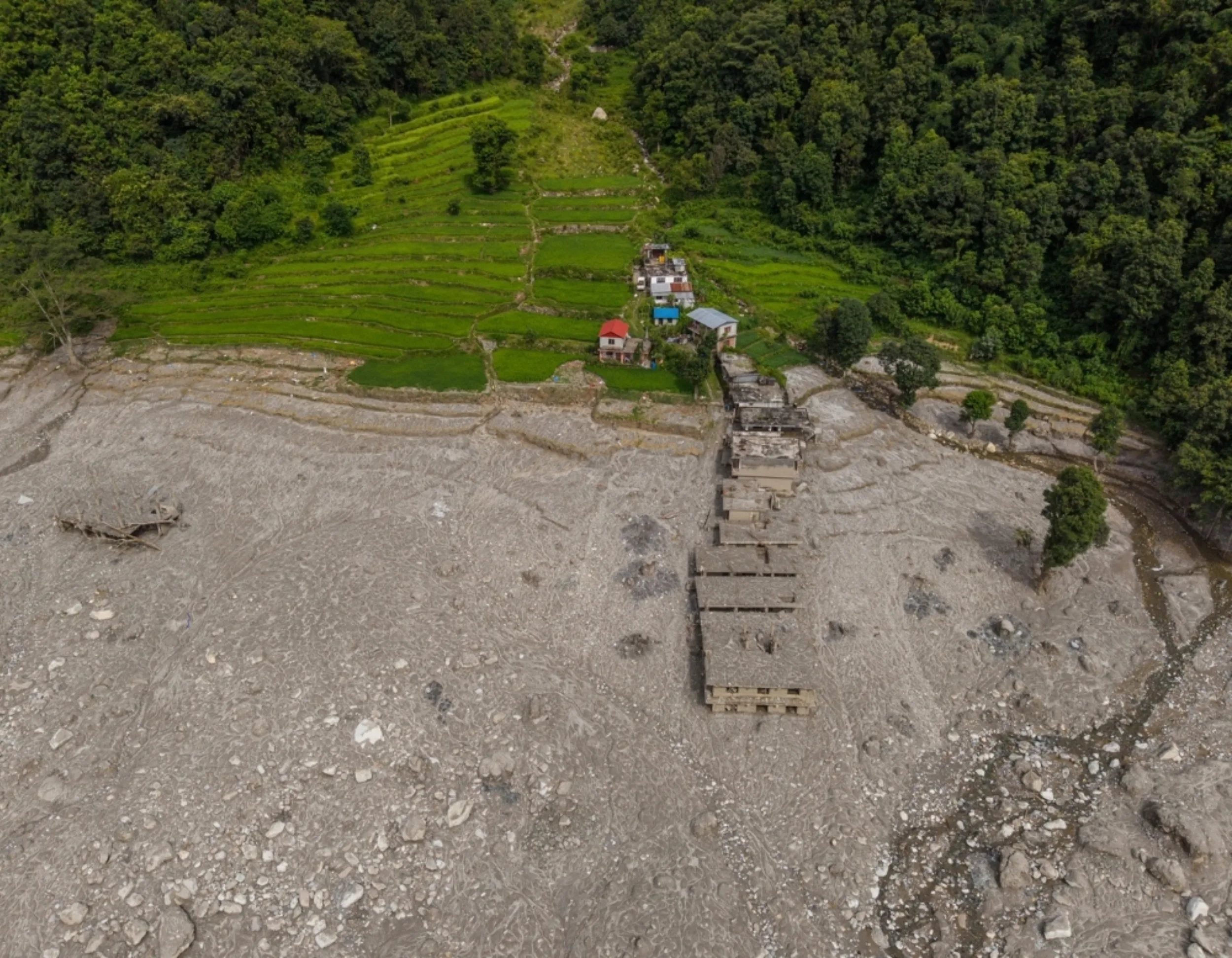
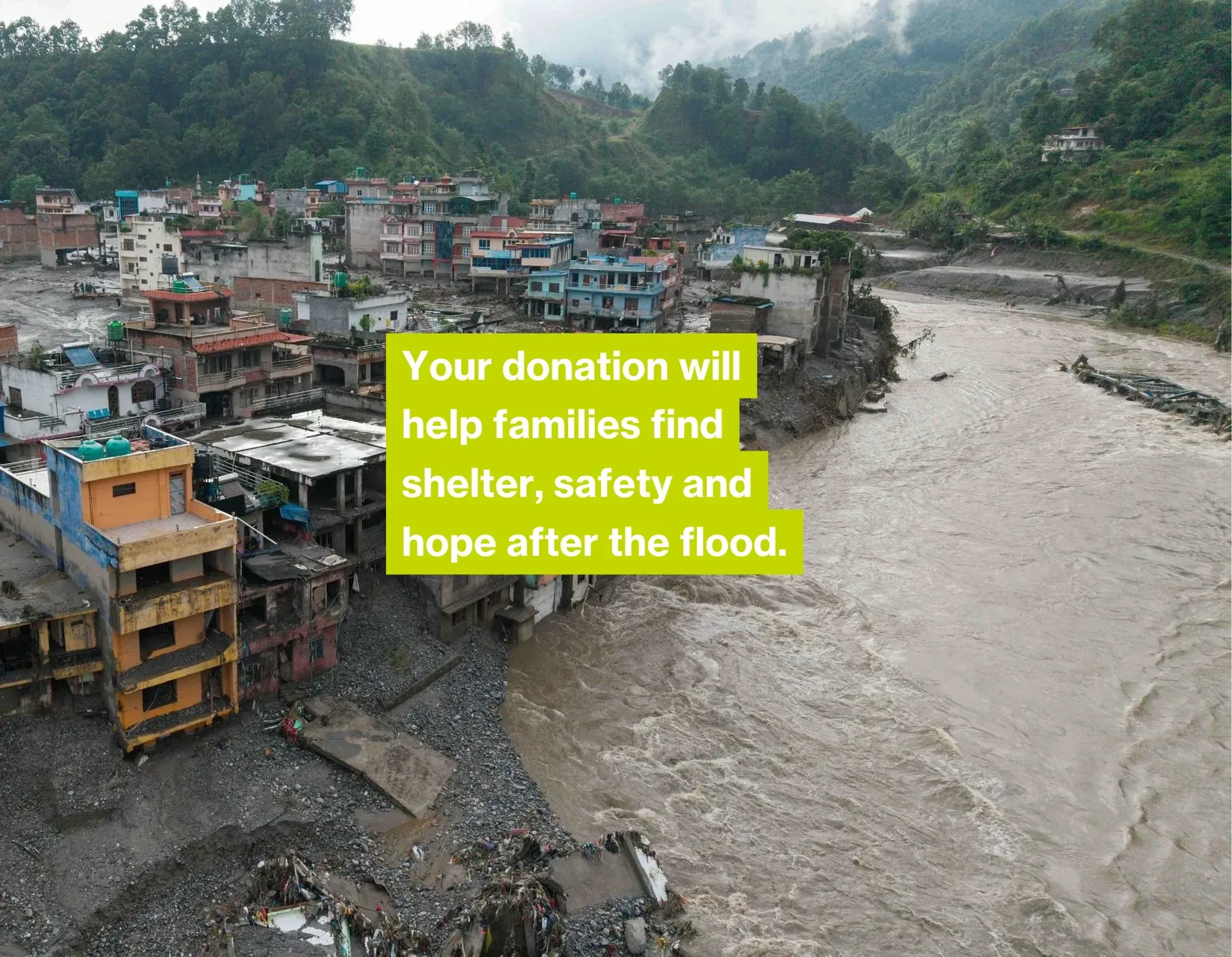
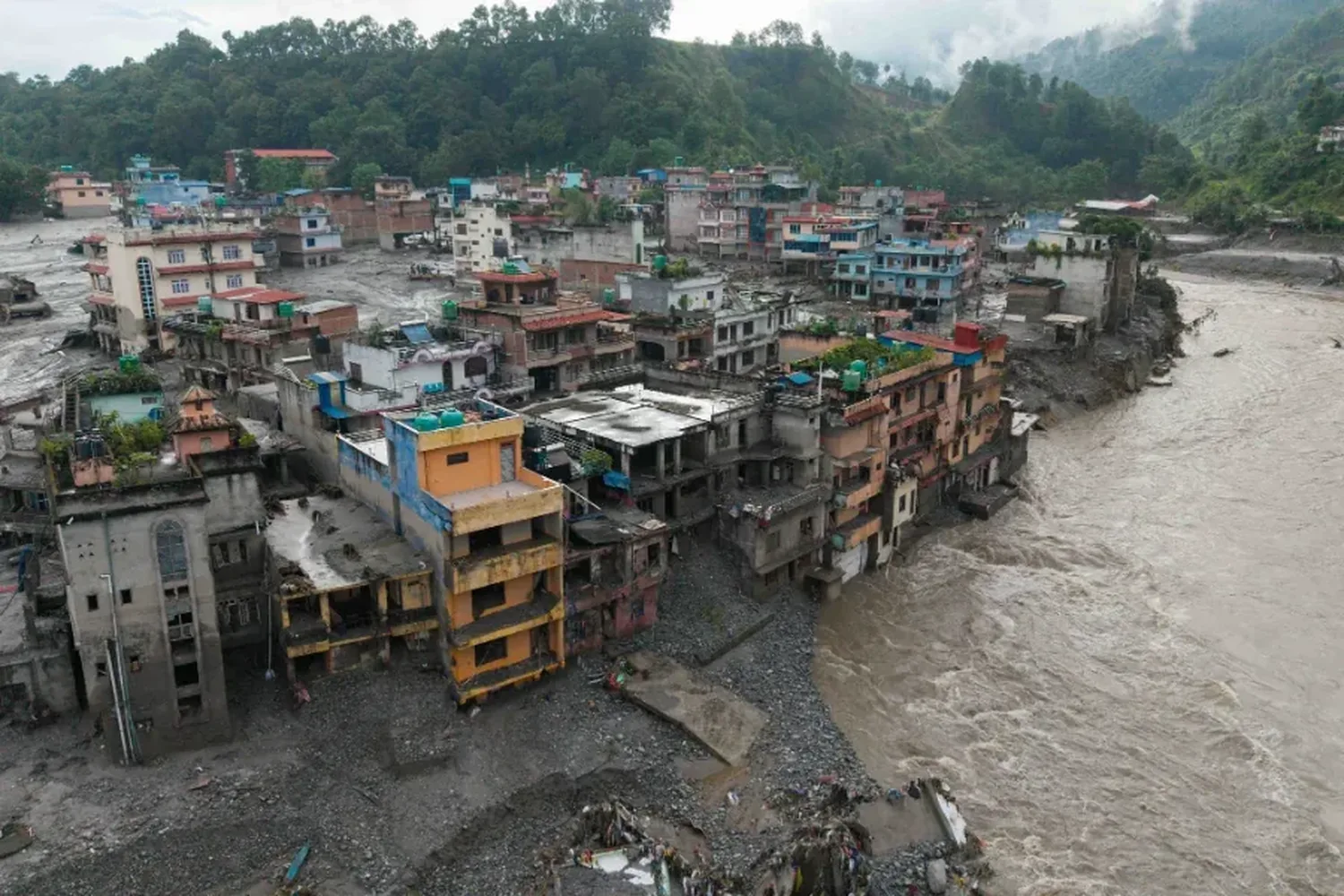
When devastating flash floods swept through central Nepal on 26 August 2026, thousands of families lost homes, livelihoods and loved ones. Communities across Rasuwa, Nuwakot and Dhading districts were amongst the hardest hit, with homes, roads and bridges destroyed as floodwaters tore through the region.
As floodwaters recede, many families are returning to find damaged homes, lost belongings and uncertain futures. For some, recovery will take months. For others, it will take years.
Behind every damaged home is a family facing loss, uncertainty and the challenge of beginning again.
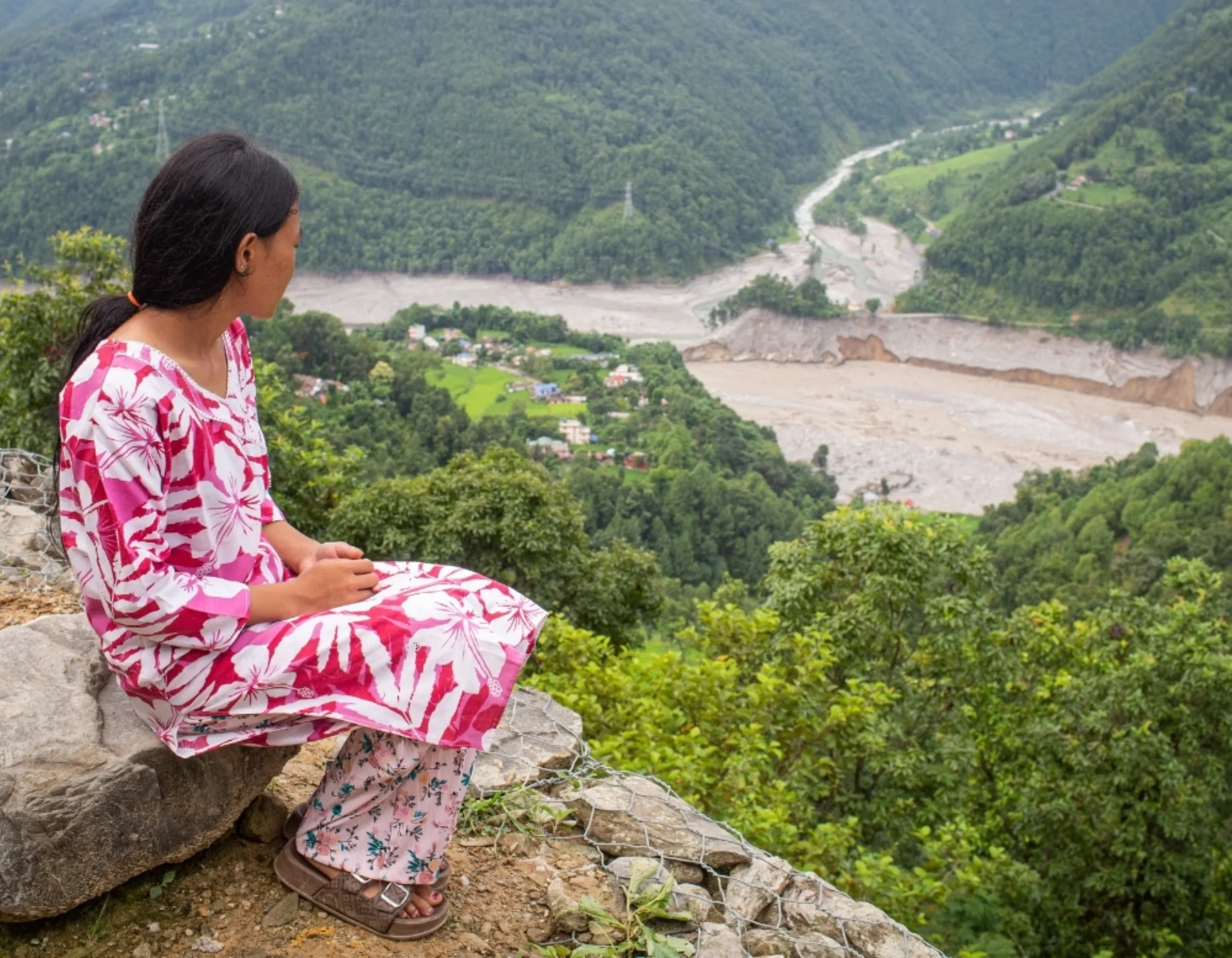
Twenty-year-old Samina is sheltering in a school across the river from where her home once stood. Before the flood, she had left her village of Shantibazar in search of work, never imagining that disaster would change her life so dramatically. Today, she remains separated from her community, with no safe way to cross the river and uncertain about what the future holds.
The flood took multiple members of her family. Her brother, sister-in-law and nephew were swept away. Other relatives remain missing, while one surviving cousin now shares the shelter with her. Entire communities where her extended family once lived have been devastated.
"We don't have our family anymore," she says.
For Samina, recovery is not only about rebuilding a house. It is about rebuilding a life after unimaginable loss.
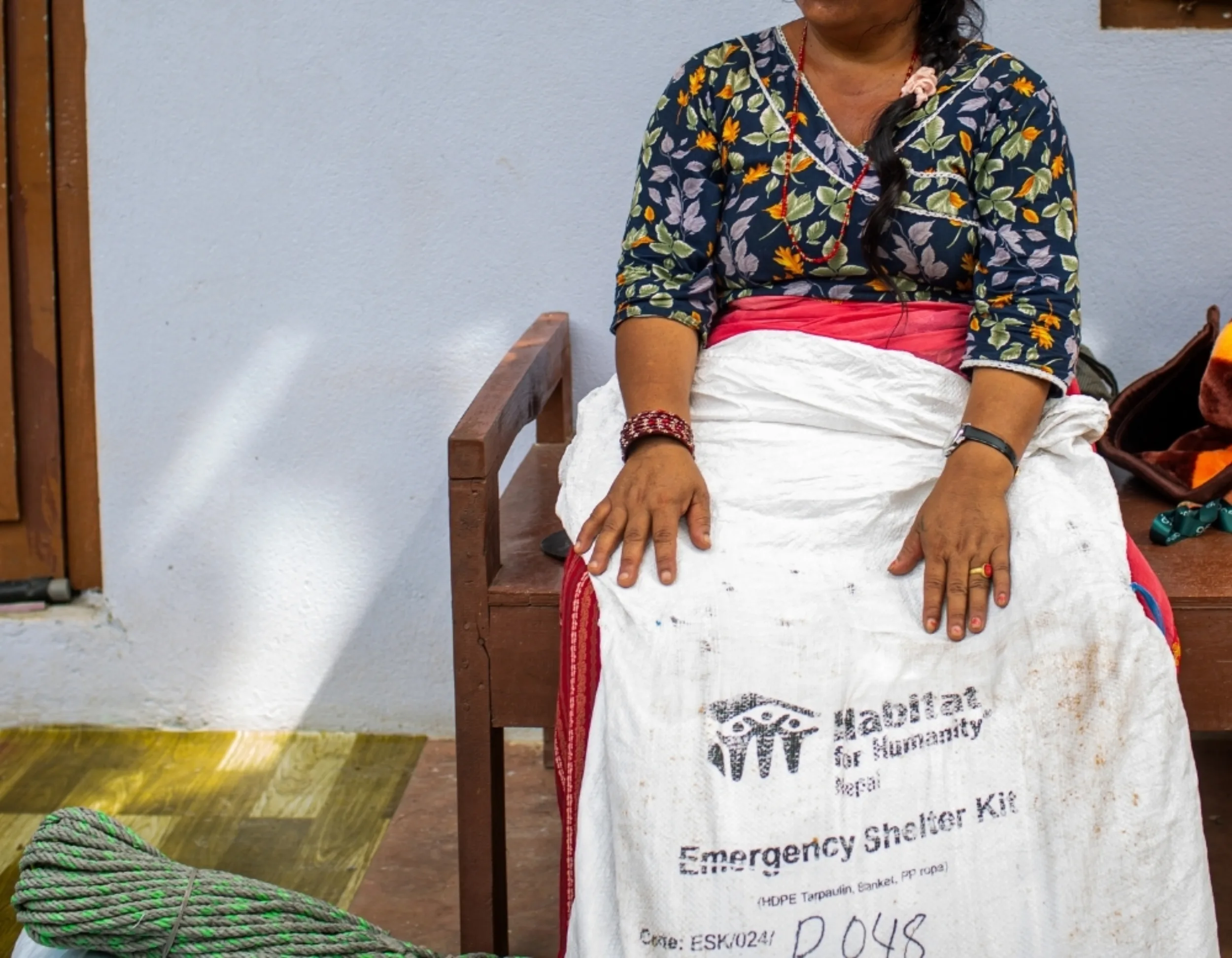
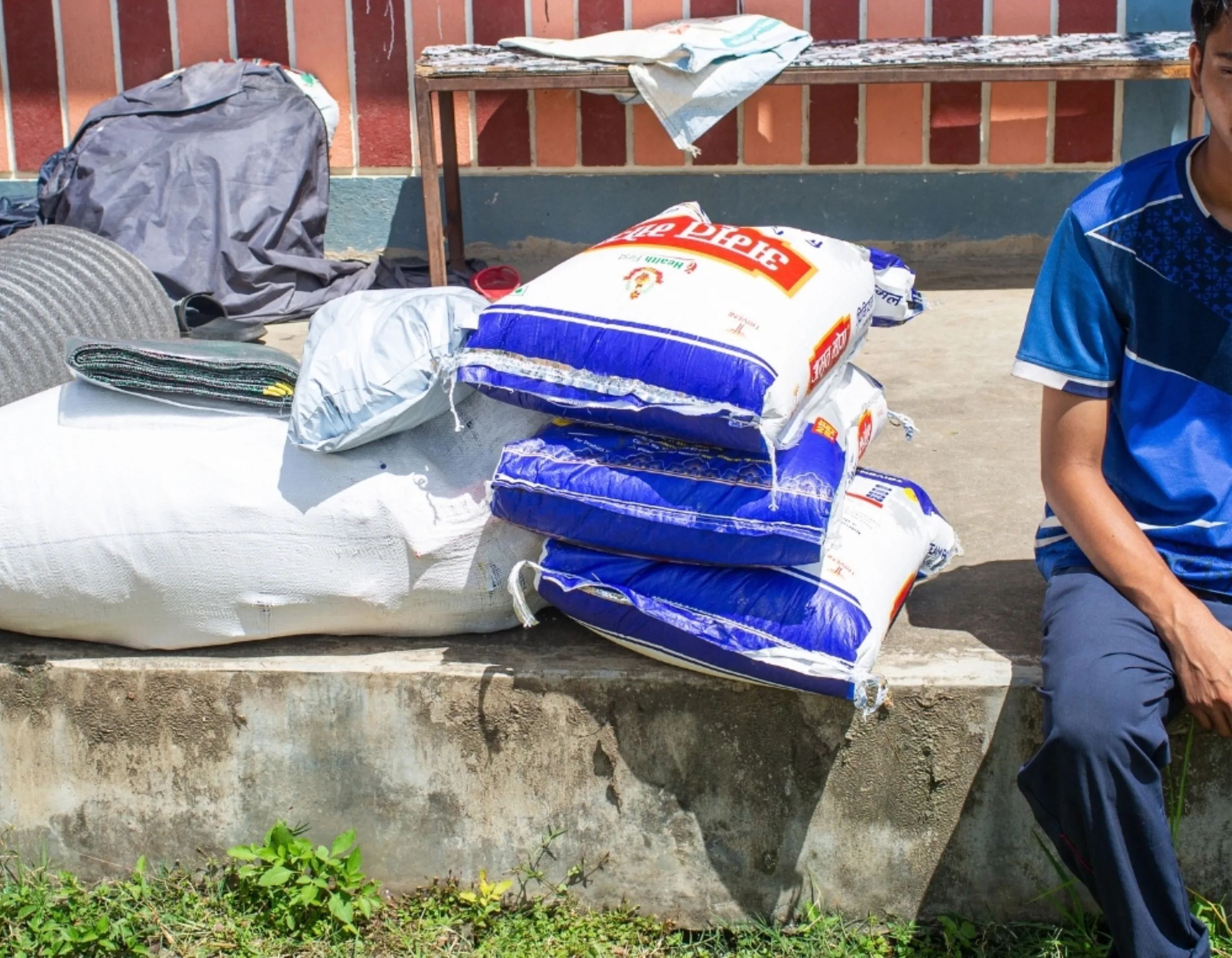
When Manju received an emergency shelter kit from Habitat Nepal, the first thing she searched for was the tarpaulin.
"I need the tarpaulin to cover the area to observe funeral rites," she explained.
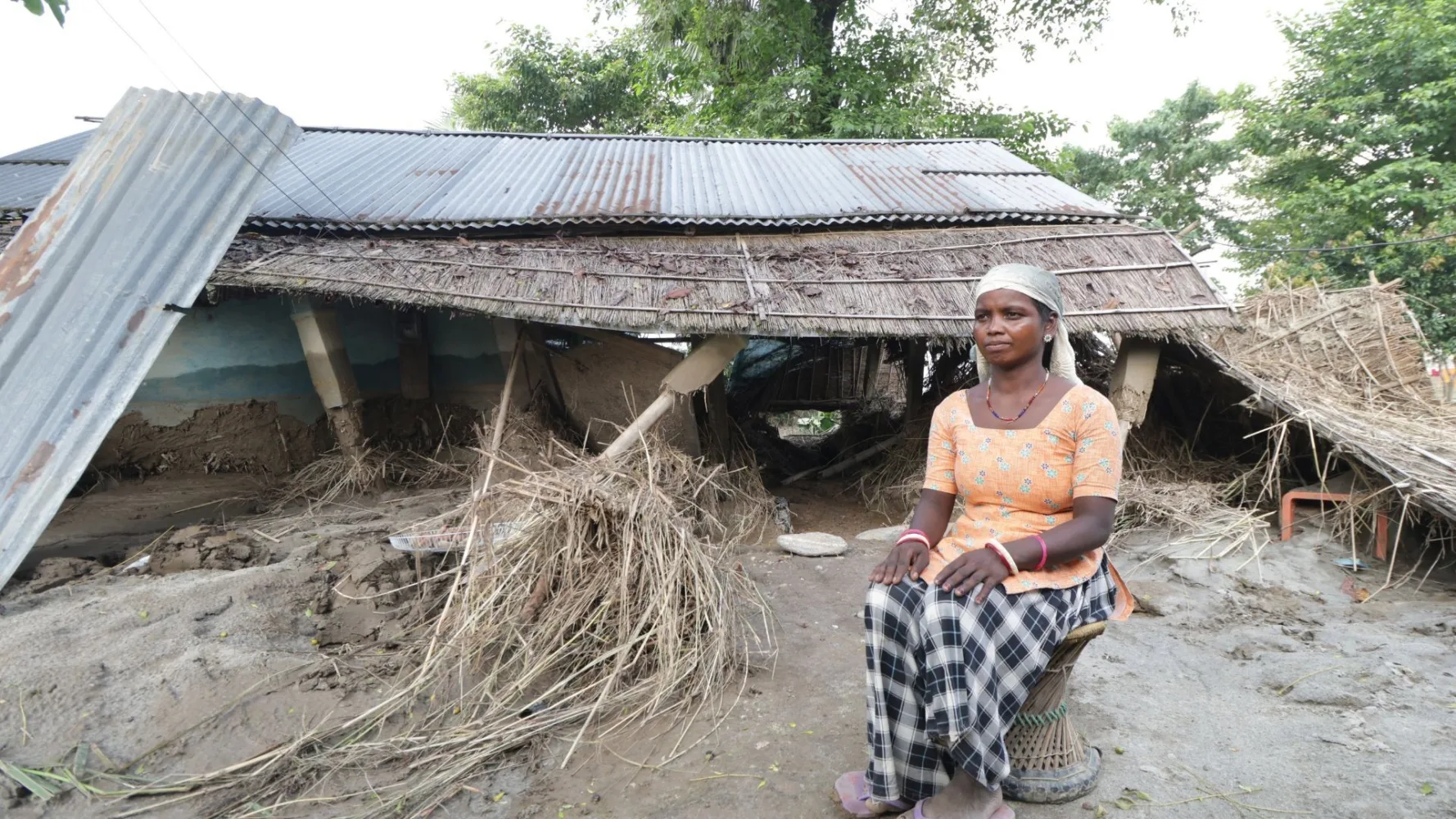
Five members of her family were caught in the flood, including her son, three grandchildren and her elder sister. The home she once lived in has disappeared, along with the land beneath it. Rice stores, livestock, bedding, personal belongings and family possessions were swept away by the water.
Now, she sleeps on a neighbour's porch, hoping the waters will not return.
"I don't even have an inch of land to my name anymore," she says.
Despite everything she has lost, Manju remains focused on caring for her family and honouring those who have died. The tarpaulin from her shelter kit offers a simple but vital form of support.
"It is a relief, it's support. Otherwise, there would be nothing."
For families like Manju's, emergency shelter is not only protection from the elements. It provides dignity in moments of grief and a small sense of stability when everything else has been taken away.
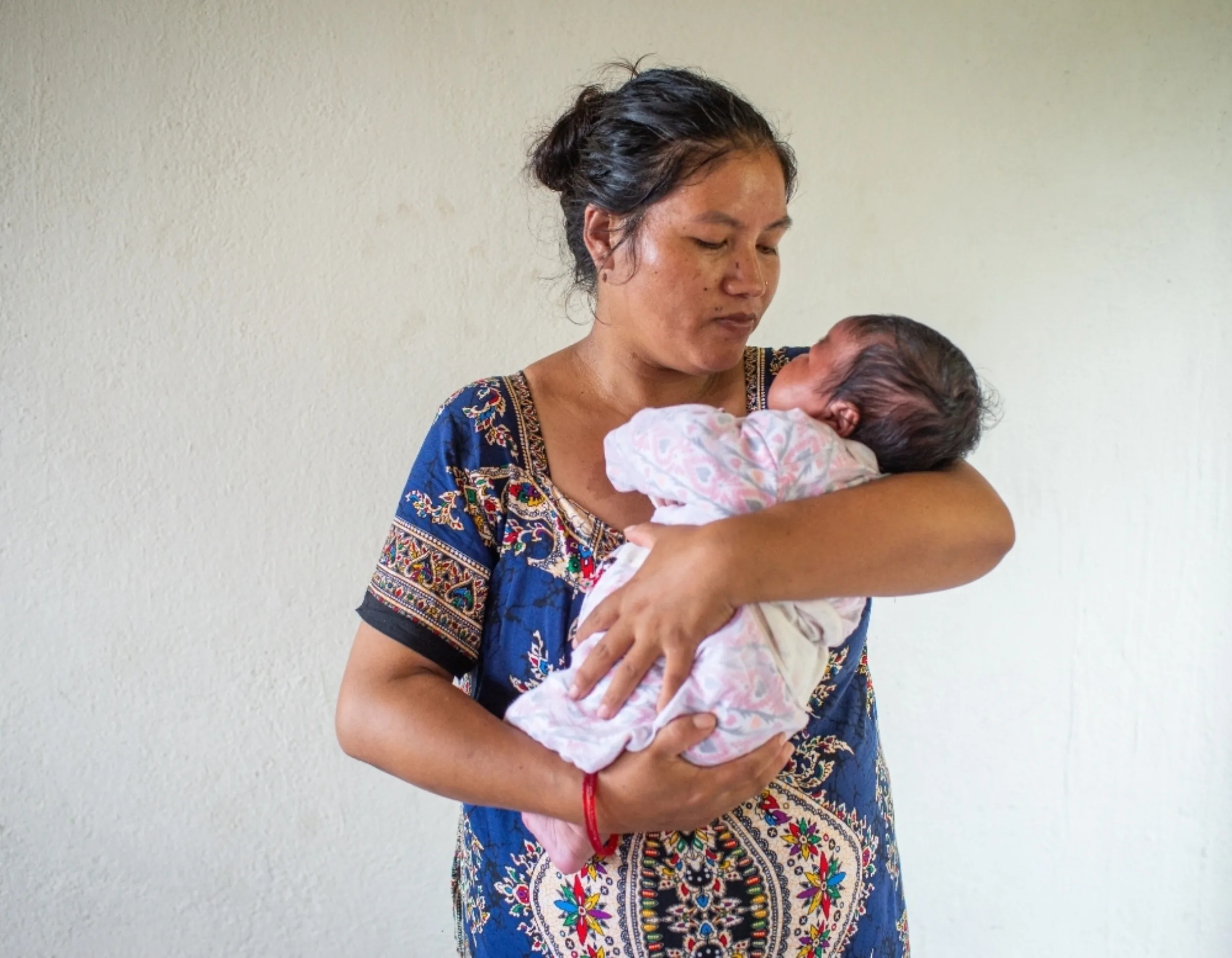
Just two weeks after giving birth, Parbati found herself fleeing for her life.
When floodwaters rushed into her community of Naubise, she grabbed her newborn son and ran towards higher ground. She had no idea where the rest of her family were or whether they had escaped. Her daughter was still at school, and every step away from the rising water carried uncertainty.
"I didn't think the water would come so high," she recalls. "But when I saw danger, I took my son and ran."
Eventually she reached safety and learned that most of her family had survived. However, her elder sister remains missing. Today, Parbati is living in temporary accommodation while caring for her newborn and daughter and recovering from childbirth.
Despite the challenges of daily life after the flood, Parbati remains grateful that she and her children are safe and for the support she and her baby have received.
For the people of Naubise, the 2026 flood is not an isolated tragedy.
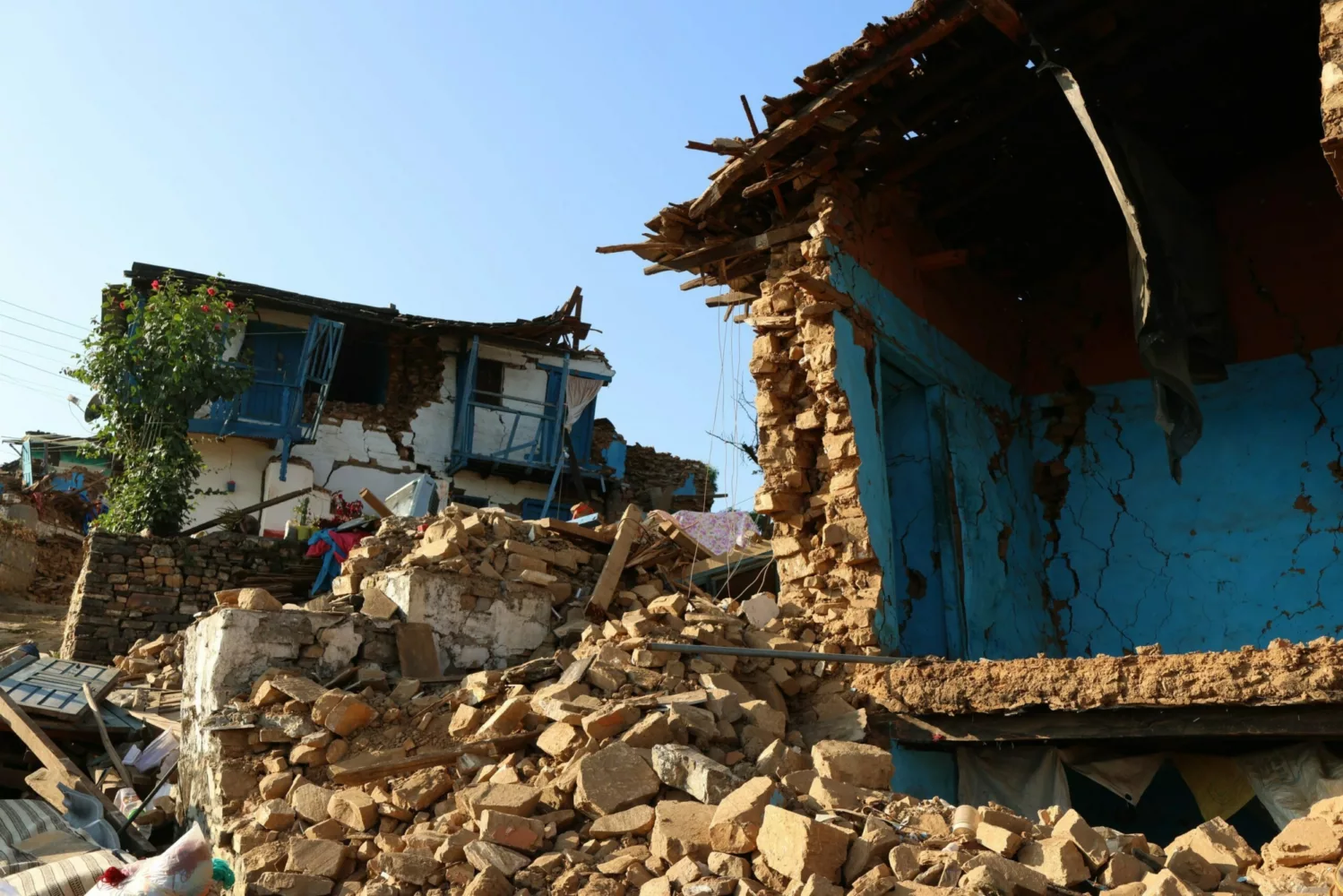
The village was devastated by Nepal's 2015 earthquake. Families rebuilt together, supporting one another with whatever resources they had. Then came another flood in 2017. Families relocated to areas considered safer, only to face a landslide in 2021. Now, floodwaters have once again damaged homes and disrupted lives.
For communities like this, recovery is not a single event. It is a cycle of rebuilding, adapting and finding the strength to begin again.
As Parbati's story shows, resilience is not simply about surviving disaster. It is about continuing to care for family, maintain hope and rebuild despite repeated setbacks.
After four disasters in eleven years, families are once again asking what safety looks like and how they can create a more secure future for the next generation. For some, like Rajan's family, that future now includes navigating the loss of a loved one while facing an uncertain path ahead.
In Bogatitar, Ward No. 5, the fields still carry the memory of the morning the flood came.
Binod, 48, had gone out early to cut grass, as he did on many ordinary days. He had loaded only part of the grass onto his motorbike when the water suddenly swept through the field, taking Binod and his motorbike with it.
Binod was the family’s main breadwinner. He leaves behind his wife and three children, including a son in Grade 11, a daughter, and his eldest son, Rajan, 22, who had been studying and working in Kathmandu.
When Rajan heard what had happened, he rushed home to be with his family and fulfil his responsibilities as the eldest son.
“He had gone to cut some grass and then the water came,” Rajan says. “I don’t know what we will do.”
Alongside their grief, the family must now navigate the loss of the person who provided their main source of income. Decisions about work, education and responsibilities at home have become more difficult at a time when the family is still mourning.
The floodwaters may have receded, but the recovery journey is only just beginning.
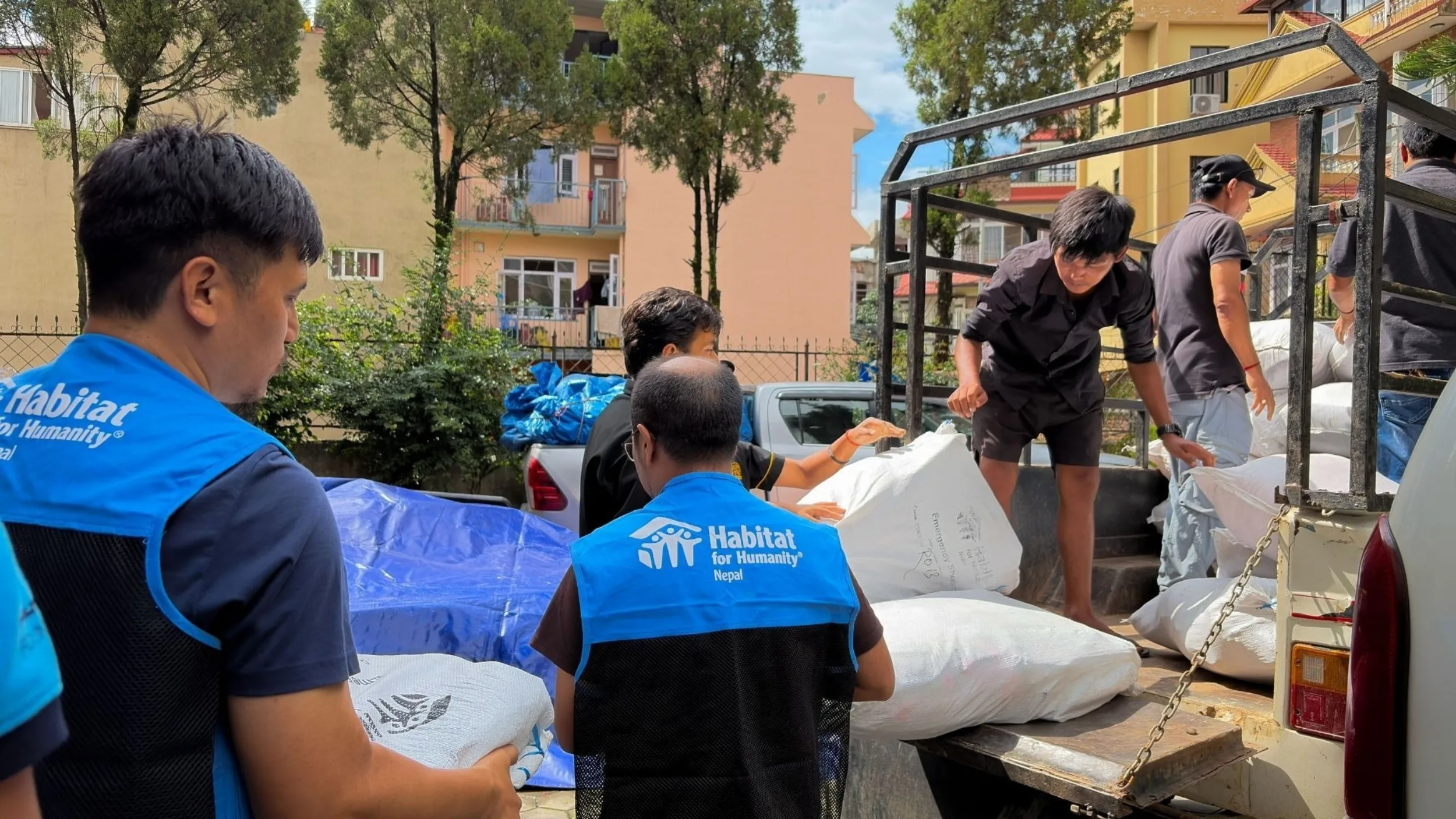
In response to the floods, Habitat for Humanity Nepal activated its Humanitarian Response Team and is working alongside government authorities and humanitarian partners to assess needs and provide shelter support where it is needed most.
Habitat Nepal's response will support families through three critical phases of recovery:
Habitat in New Zealand has a long-standing relationship with Habitat for Humanity Nepal. Together, we have supported communities through major disasters., Today, we continue to stand alongside Nepalese families as they recover, rebuild and strengthen their resilience for the future.
Your support can help provide emergency shelter, support families through recovery and help communities rebuild safer homes for the future.
Donate today and help families in Nepal move from disaster towards safety, dignity and hope.


Can I make a donation over the phone or via internet banking?
If you wish to make a donation via credit card over the phone, please phone us on (09) 579 4111
You can donate via internet banking:
Habitat for Humanity New Zealand
ANZ
06-0177-0127197-00
If you wish your donation to go to a specific appeal, please include in the payment Reference. If you know your 'supporter ID number' please include it in the Particulars.
Yes. If you make a one-off donation through our website, your receipt will be emailed to you automatically.
If you donate via internet banking, we'll email your receipt within 4-5 business days. If no email address is provided and we have a postal address for you, we'll send your receipt by post.
If you've made a donation by bank transfer and would like a receipt, feel free to email your details to info@habitat.org.nz so we can match your donation and send your receipt.
If you've chosen to donate regularly, we'll send you a single annual receipt after the end of the tax year (31 March), which can be used to claim your donation tax credit from Inland Revenue (IRD).
Donations over $5.00 are tax deductible. You can submit your receipt to IRD website, and they will process your tax rebate.
Yes, you can give regular monthly donations to your chose Habitat for Humanity appeal. Just select 'give monthly' when processing your donation payment.
You can change, cancel or suspend your monthly donation at any time. Please email us at info@habitat.org.nz, or phone us on (09) 579 4111.
Your credit card will be charged once you submit your first monthly gift, and future donations will be made on that same day going forward. If you wish to change your payment date to better suit your pay cycle, please get in touch via information@habitat.org.nz, or phone us on (09) 579 4111 and we can easily action that for you.
Yes, you will receive an annual tax receipt at the close of the financial year, recording all donations.
Yes, if you wish to donate via internet banking, our details are
Habitat for Humanity New Zealand
ANZ
06-0177-0127197-00
If you wish your donation to go to a specific appeal, please enter into your Reference
One tax receipt recording all your donations for the financial year, making it easy to claim your tax rebate.
With small payments spread out month to month, becoming a HopeBuilder can suit any budget. Even a small amount can have a huge impact.
Your donation occurs automatically each month, and you can pause, downgrade, upgrade, or cancel at any time.
Your regular support ensures long-term impact, all year long.
Please fill in the below enquiry form and we will be in touch soon.
Please fill in the below enquiry form with your details and we will be in touch within 2 working days.