Habitat for Humanity
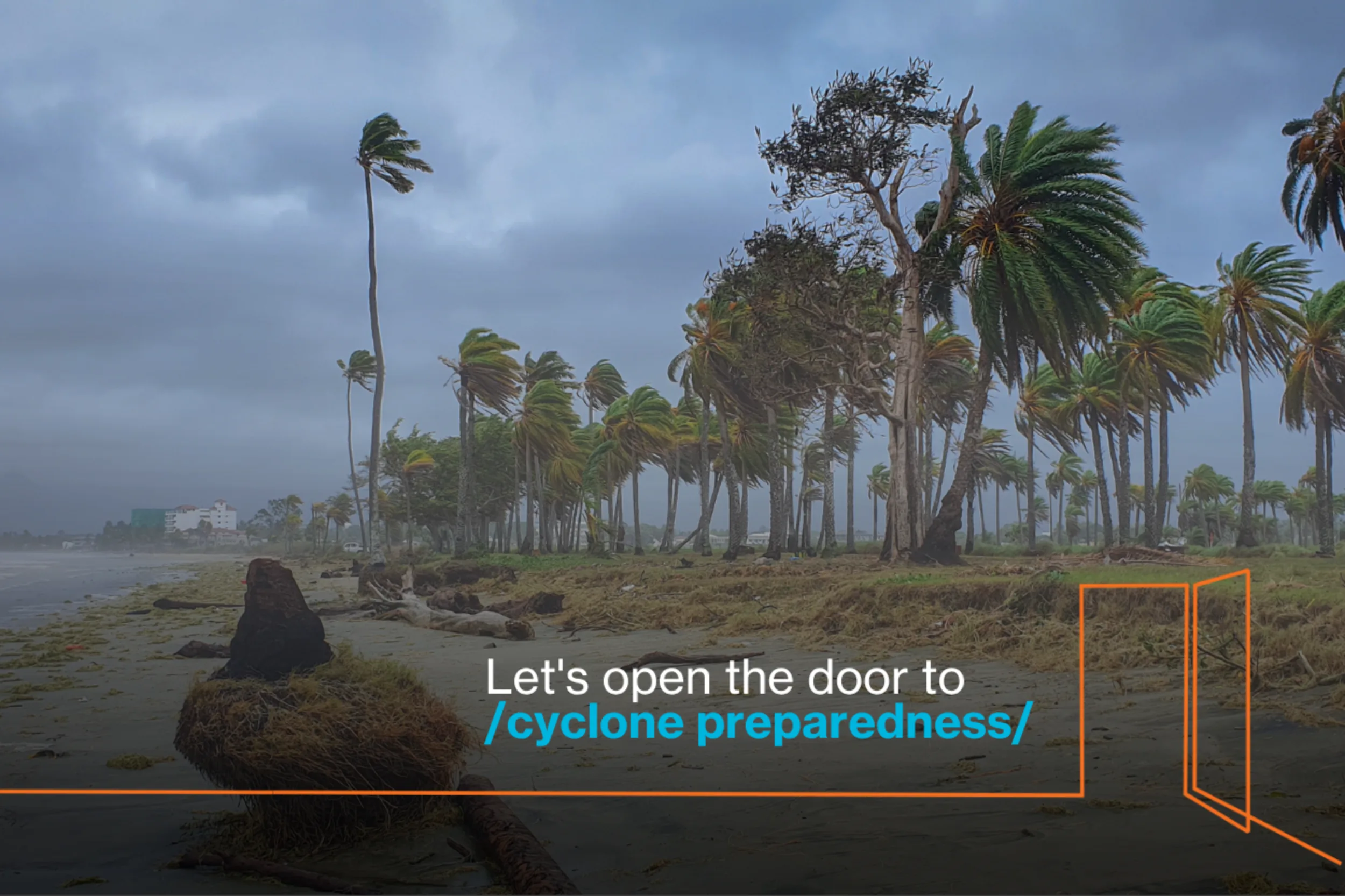
Media release, 16 September 2026 - As Pacific nations prepare for another cyclone season, families across Fiji, Samoa and Tonga are taking practical steps to protect their homes and livelihoods from severe weather.
Through Habitat for Humanity’s community-led resilience programmes, communities are strengthening housing, improving access to safe water, developing local plans to reduce the impact of future disasters and building long-term resilience.
Habitat works alongside communities in Fiji, Samoa and Tonga to strengthen their preparedness for severe weather.
“Through our work, we help communities be as prepared as possible before the next disaster strikes,” says Alan Thorp, Group Chief Executive Officer, Habitat for Humanity New Zealand.
“We take a community-led approach: community members identify their shelter risks and create an action plan to address them. Over the past five years, we’ve worked with 49 communities across Fiji, Tonga and Samoa, supporting them to take ownership of improvements to their living conditions, both now and over the long term.
“Home is where everything begins,” says Mr Thorp.
“Through our programming, communities identify further opportunities to build the skills and knowledge needed to improve their shelter. Sometimes the solution is as simple as recognising the need for a new footpath with solar lighting, so community members can travel safely to and from their village.”
“Alternatively, communities may seek further training in construction or plumbing, enabling participants to strengthen their own homes and those of others against the next severe weather event.”
For example, in the past five years:
“By strengthening local knowledge and practical skills, we support Pacific families to create safer homes and become more self-reliant over the long term. A decent, climate-resilient place to live can improve people’s health, well-being and overall quality of life,” says Mr Thorp.
“When families have adequate shelter, they are less exposed to the risks posed by extreme weather and natural disasters, and are better equipped to adapt to the effects of climate change.”
Habitat has worked in the Pacific for more than 20 years, with a focus on shelter and housing. The key Pacific programmes Habitat delivers are PASSA (Participatory Approach to Safe Shelter Awareness), BBS (Build Back Safer), WASH (Water, Sanitation and Hygiene) and Vocational Training. The delivery of these programmes is primarily funded by the Ministry of Foreign and Trade and supplemented by public donations.


Can I make a donation over the phone or via internet banking?
If you wish to make a donation via credit card over the phone, please phone us on (09) 579 4111
You can donate via internet banking:
Habitat for Humanity New Zealand
ANZ
06-0177-0127197-00
If you wish your donation to go to a specific appeal, please include in the payment Reference. If you know your 'supporter ID number' please include it in the Particulars.
Yes. If you make a one-off donation through our website, your receipt will be emailed to you automatically.
If you donate via internet banking, we'll email your receipt within 4-5 business days. If no email address is provided and we have a postal address for you, we'll send your receipt by post.
If you've made a donation by bank transfer and would like a receipt, feel free to email your details to info@habitat.org.nz so we can match your donation and send your receipt.
If you've chosen to donate regularly, we'll send you a single annual receipt after the end of the tax year (31 March), which can be used to claim your donation tax credit from Inland Revenue (IRD).
Donations over $5.00 are tax deductible. You can submit your receipt to IRD website, and they will process your tax rebate.
Yes, you can give regular monthly donations to your chose Habitat for Humanity appeal. Just select 'give monthly' when processing your donation payment.
You can change, cancel or suspend your monthly donation at any time. Please email us at info@habitat.org.nz, or phone us on (09) 579 4111.
Your credit card will be charged once you submit your first monthly gift, and future donations will be made on that same day going forward. If you wish to change your payment date to better suit your pay cycle, please get in touch via information@habitat.org.nz, or phone us on (09) 579 4111 and we can easily action that for you.
Yes, you will receive an annual tax receipt at the close of the financial year, recording all donations.
Yes, if you wish to donate via internet banking, our details are
Habitat for Humanity New Zealand
ANZ
06-0177-0127197-00
If you wish your donation to go to a specific appeal, please enter into your Reference
One tax receipt recording all your donations for the financial year, making it easy to claim your tax rebate.
With small payments spread out month to month, becoming a HopeBuilder can suit any budget. Even a small amount can have a huge impact.
Your donation occurs automatically each month, and you can pause, downgrade, upgrade, or cancel at any time.
Your regular support ensures long-term impact, all year long.
Please fill in the below enquiry form and we will be in touch soon.
Please fill in the below enquiry form with your details and we will be in touch within 2 working days.