Habitat for Humanity
The housing need in the Asia-Pacific region is among the most pressing in the world. Nearly 60% of people living in inadequate housing globally and 35% of the nations most vulnerable to climate change are in this region. When disaster strikes, it is these communities that have the least to fall back on.
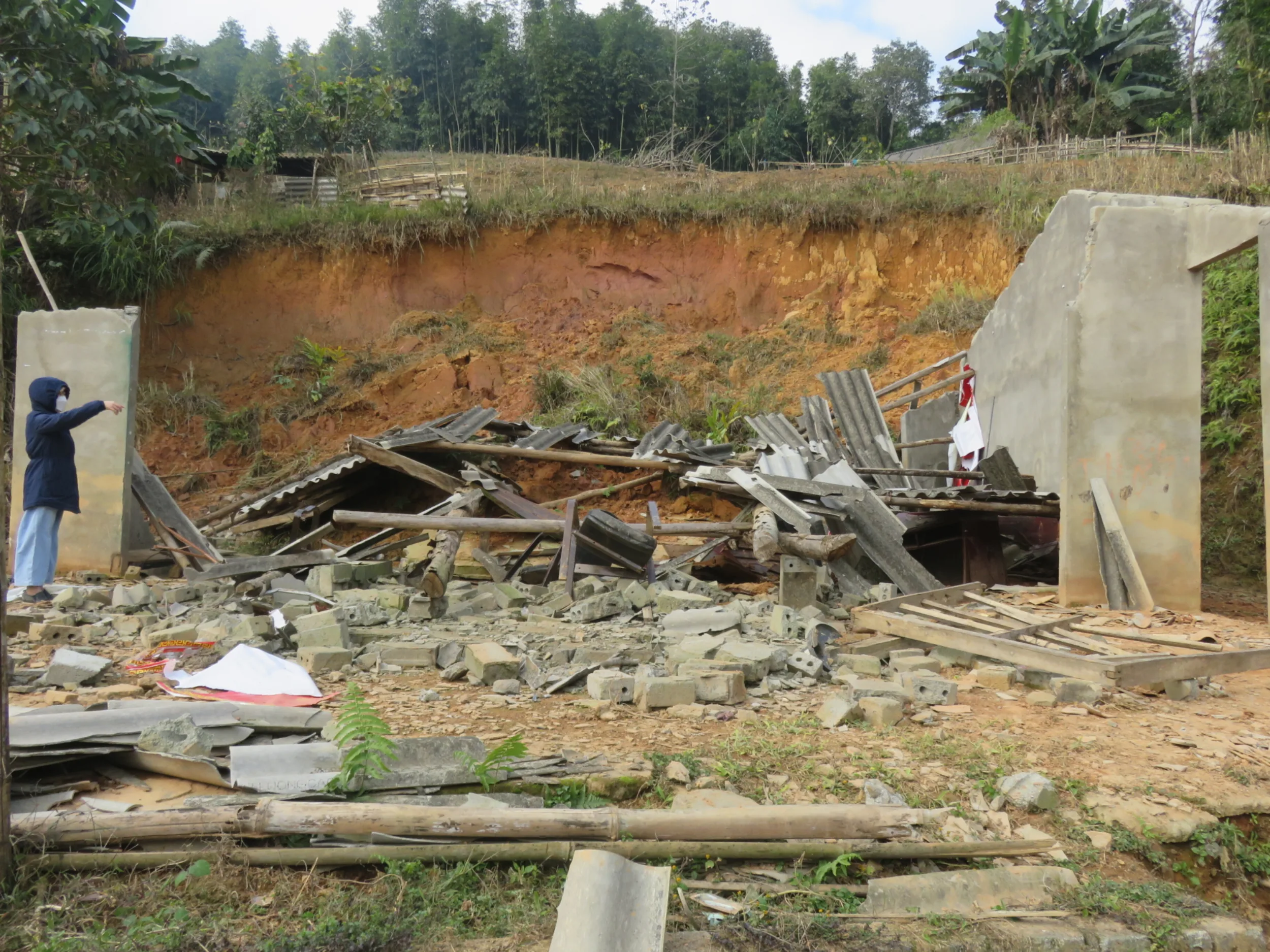
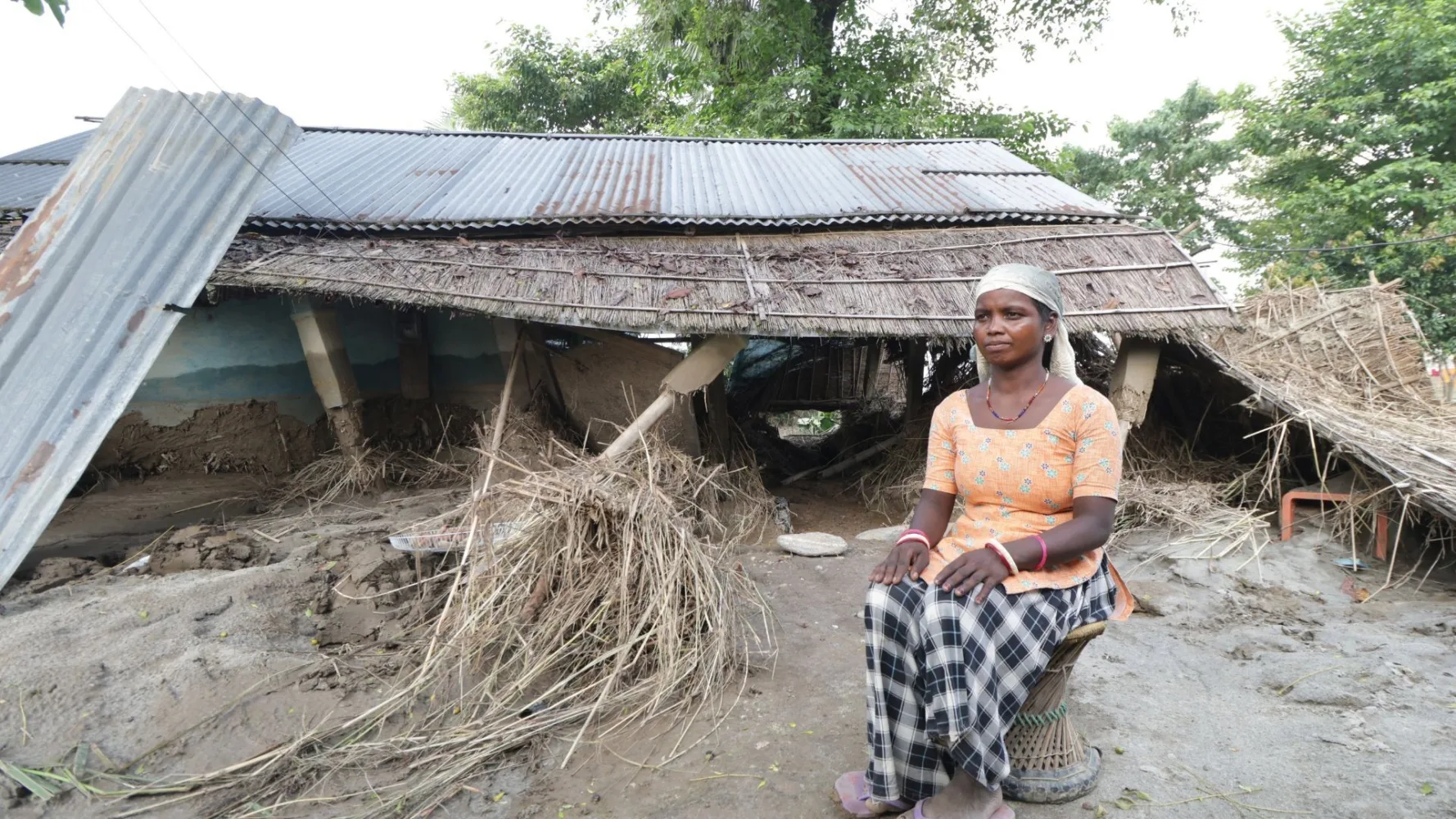
On 7 September 2024, Typhoon Yagi tore through Vietnam's northeastern coast — the most powerful typhoon to hit the country in three decades. For five days, rivers surged, slopes collapsed, and communities that had stood for generations were swept away.
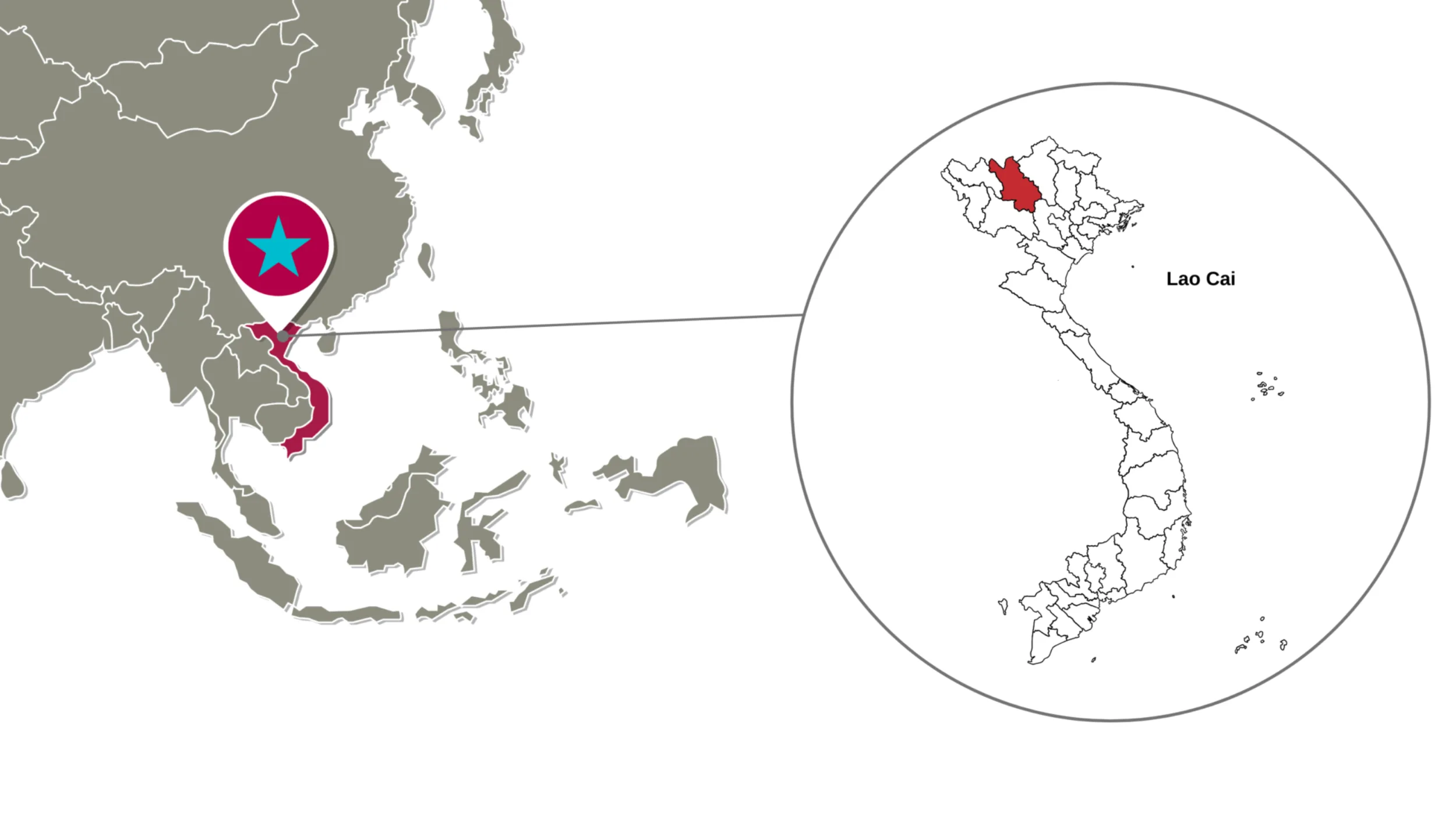
In Lao Cai Province, the Thao River exceeded historical flood records. The national death toll reached 345, with Lao Cai recording the highest provincial casualties. In Bat Xat district, one of the most remote and topographically challenging areas in the province, 1,407 homes were damaged or destroyed and 17 people were killed or went missing.
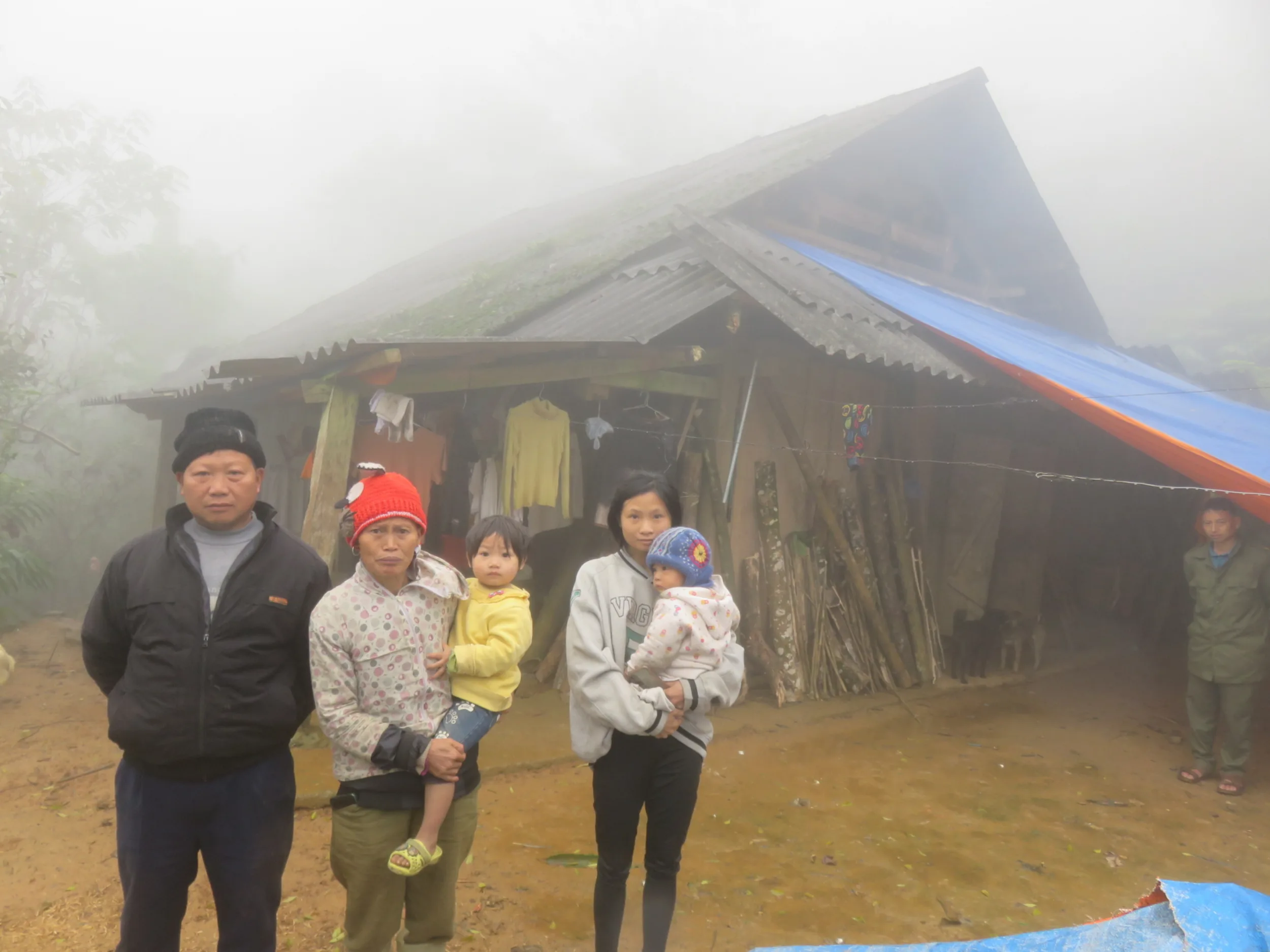
Already among the most vulnerable in Vietnam, many families lived in remote hillside settlements where heavy rain left these communities isolated and inaccessible by road. When the disaster struck, they had little precious to see them through.
In response to the urgent recovery needs, Habitat for Humanity Vietnam (HFHV), supported by funding from the New Zealand Ministry of Foreign Affairs and Trade (MFAT), implemented a 17-month recovery project (November 2024 – April 2026) to restore safe housing, improve sanitation, rebuild community infrastructure, and strengthen disaster resilience capacity.
The project set out to restore housing, improve access to water, sanitation and hygiene (WASH), rebuild essential community infrastructure, and strengthen local disaster resilience. Working in close coordination with district and commune authorities, HFHV prioritised poor families, female-headed households, and those with the most severely damaged homes.
Habitat in New Zealand has a long-standing relationship with Habitat for Humanity Vietnam, built through years of disaster response across the Asia-Pacific region. Our organisation supported their communities to rebuild after the tragic typhoon.
Thanks to the funding from the New Zealand government, 48 of the most vulnerable ethnic minority families now have a safe, sturdy place to call home. They gained access to improved housing and WASH facilities.
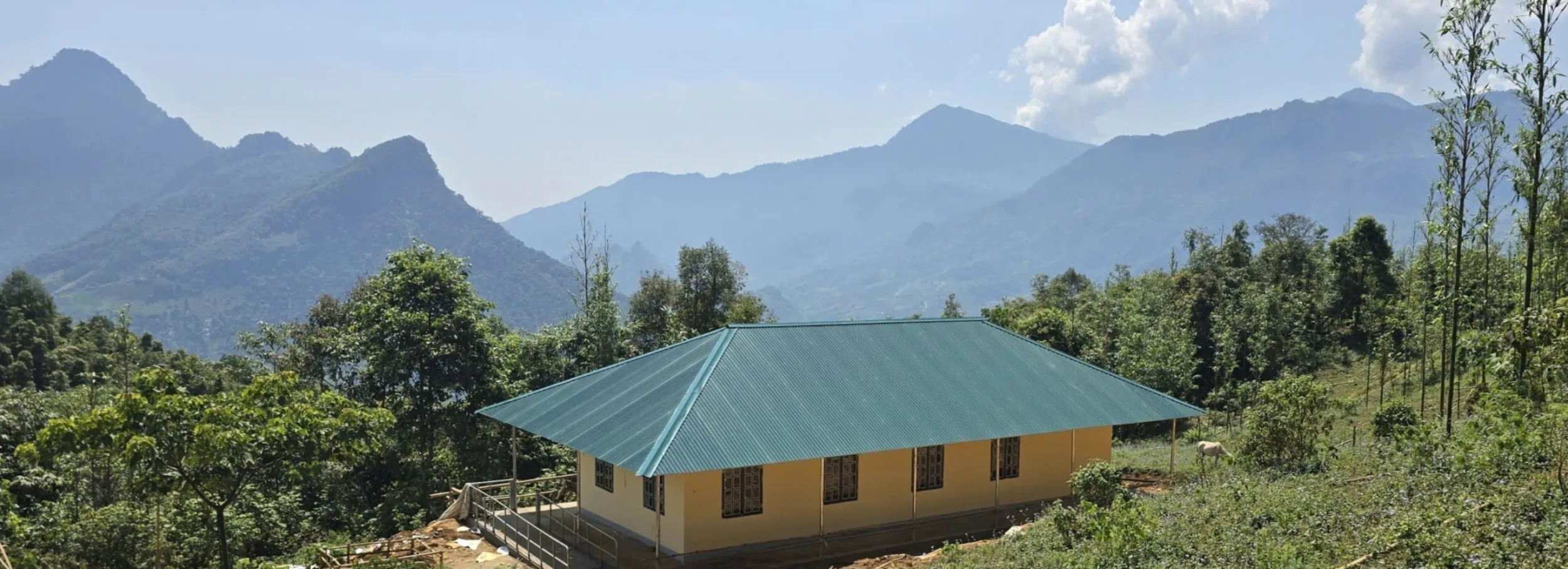
In Den Thang village, a community evacuation centre that had been destroyed by the typhoon was rebuilt and given new life — not just as an emergency shelter, but as a place where neighbours gather, children play, and community life continues. It is able to serve 862 people, more than double what anyone had hoped for.
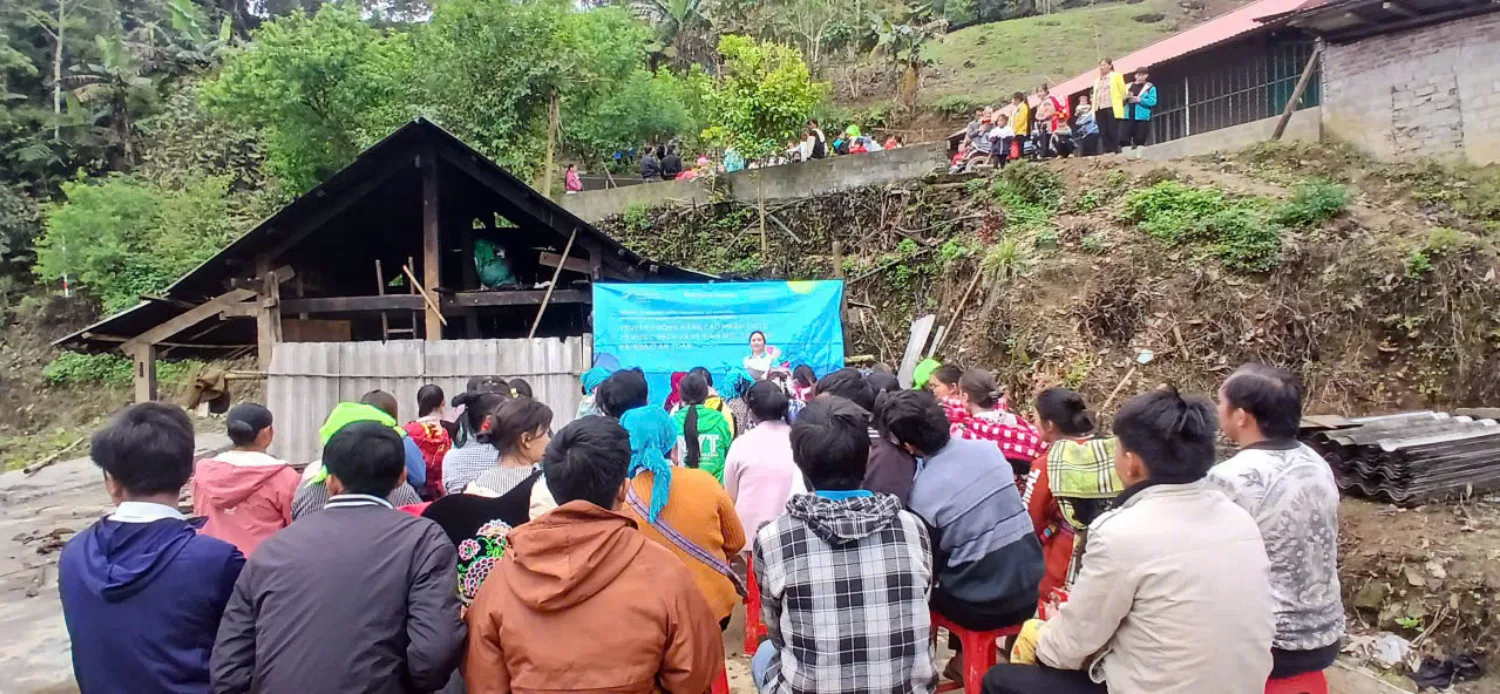
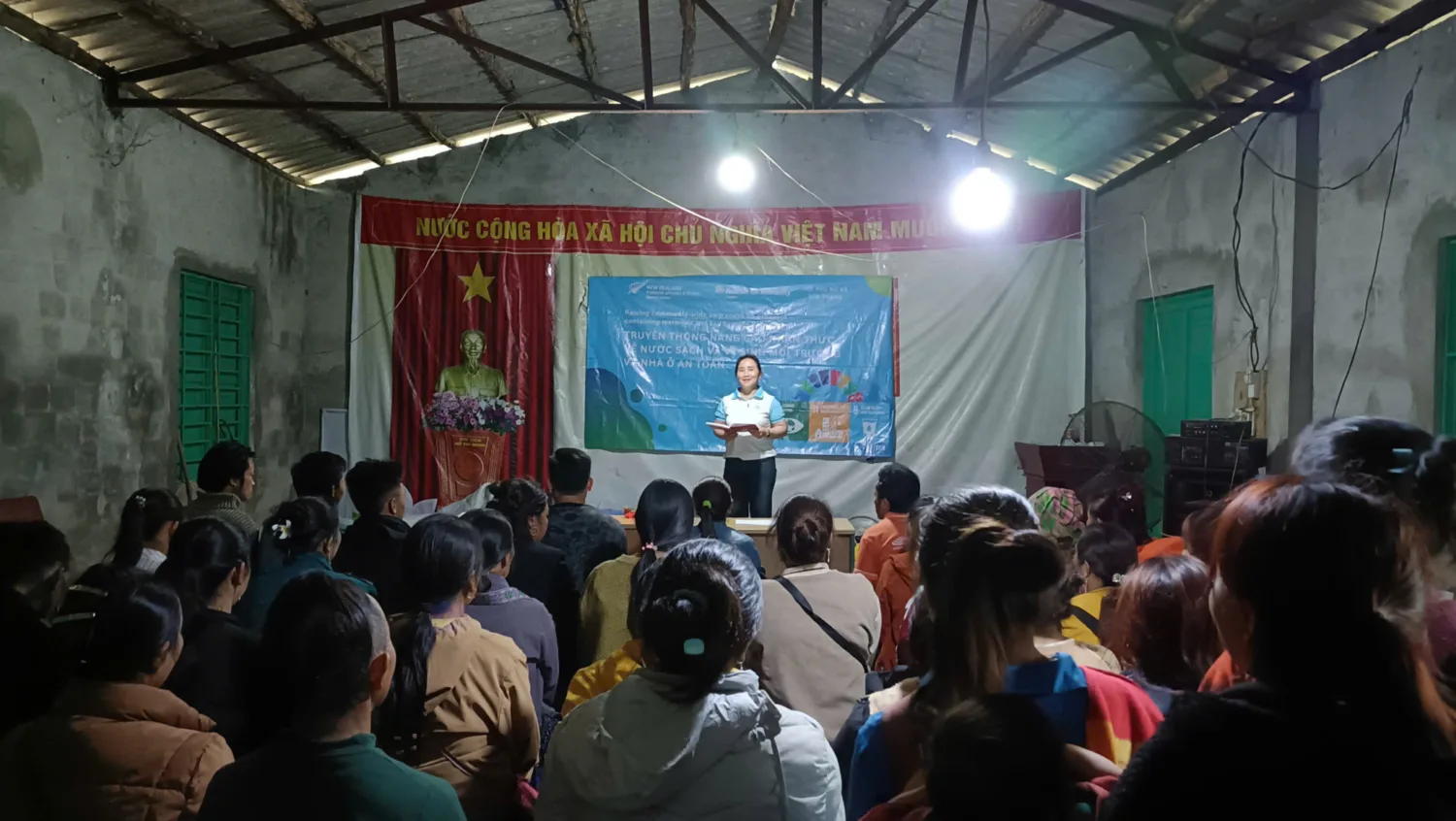
More than 686 community members and local authorities were trained in safe housing and settlement planning through the PASSA approach (Participatory Approach to Safe Shelter Awareness), covering home repair techniques, disaster risk reduction, hygiene practices, and the health risks of asbestos-containing materials commonly found in older homes.
Behind every number is a family whose life has changed.
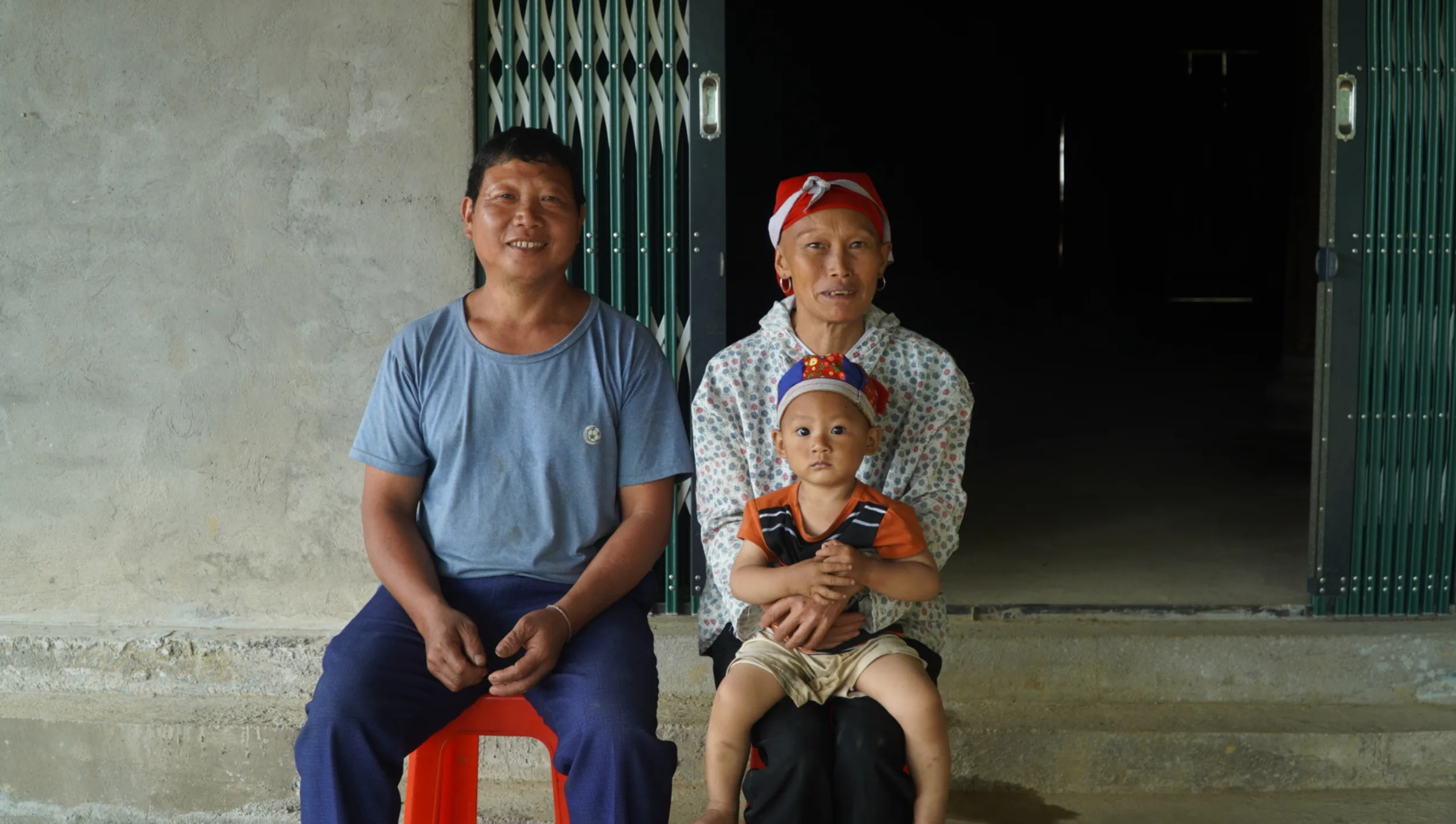
For as long as Ly Lao Su could remember, his family of five had lived beside a stream that frightened them every rainy season. There were nights when rising floodwaters forced them out into the darkness, carrying the children, supporting his elderly mother, not knowing what they would return to.
When Typhoon Yagi struck, there was nothing left to return to. Floodwaters mixed with mud tore through their home, leaving it damaged beyond repair. The family was relocated to a nearby village but with limited resources and rising construction costs, rebuilding felt impossible.
That's when Habitat for Humanity Vietnam stepped in. Working alongside local authorities and combining project funding with government support, HFHV helped the family not only access the resources they needed but took an active role in building their own home. Ly Lao Su's family participated in designing the house, contributed their own labour during construction, and worked alongside HFHV technical staff every step of the way. This reflects Habitat’s approach of “a hand up, not a hand out”, and ensures a strong partnership between the Habitat team and the families we serve.
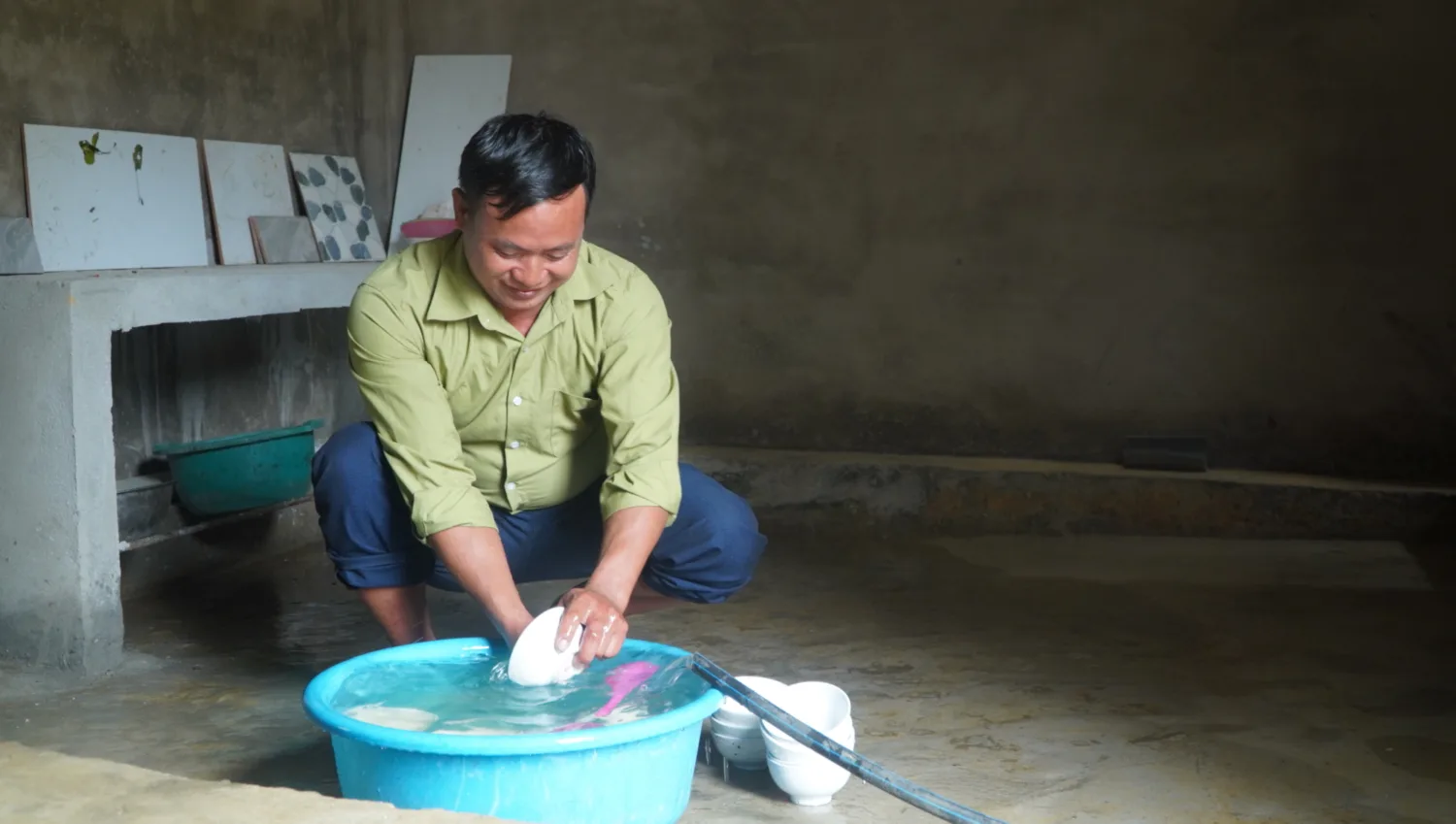
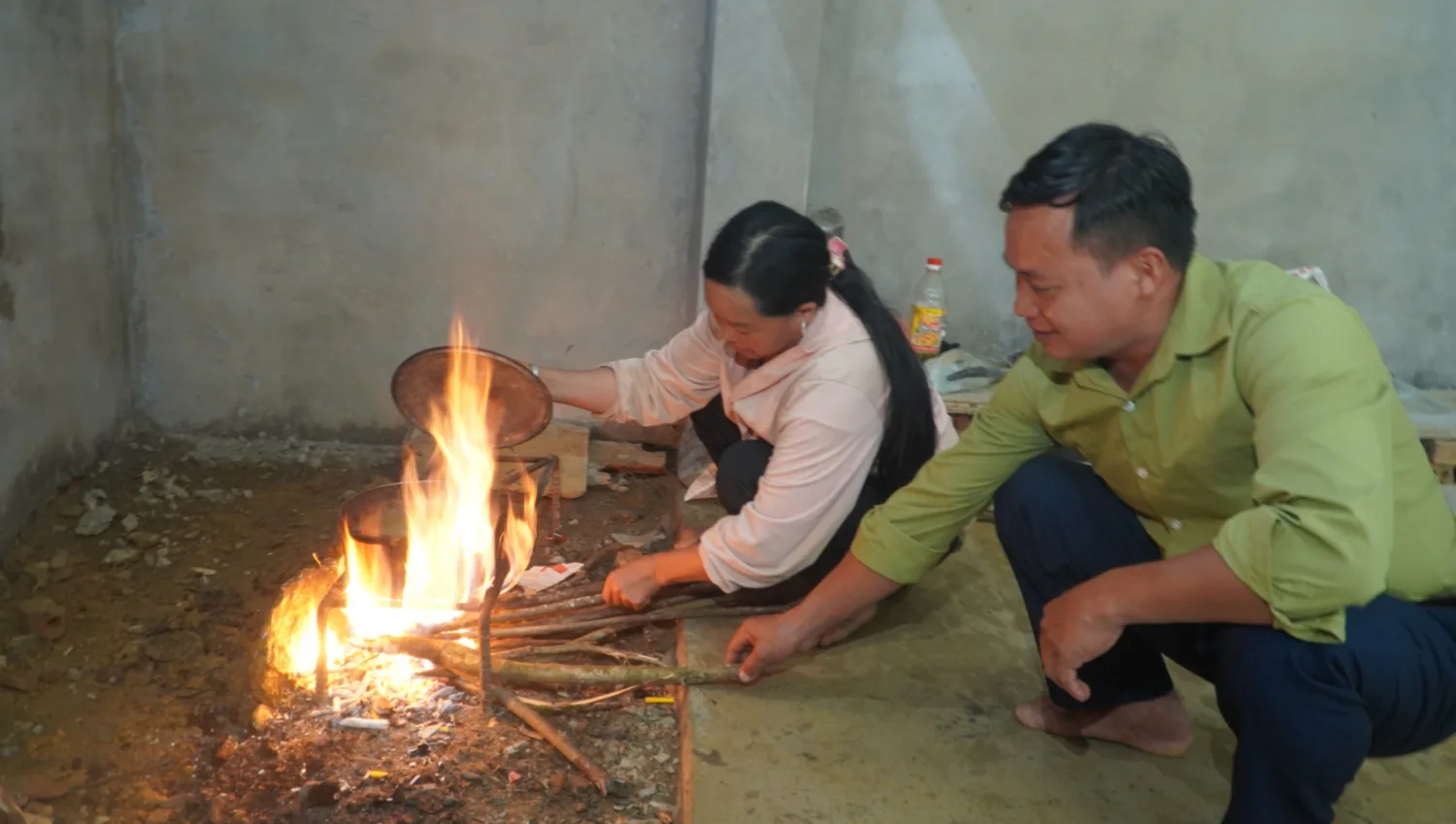
Today, their new home stands strong. Built to withstand future hazards, it includes a kitchen and a hygienic latrine — things the family had gone without for years.
"This house is built by our own hands, so we are very proud and satisfied," Ly Lao Su shared. "Now we feel much safer."
From a life overshadowed by disaster risk, Ly Lao Su's family has found a new beginning.
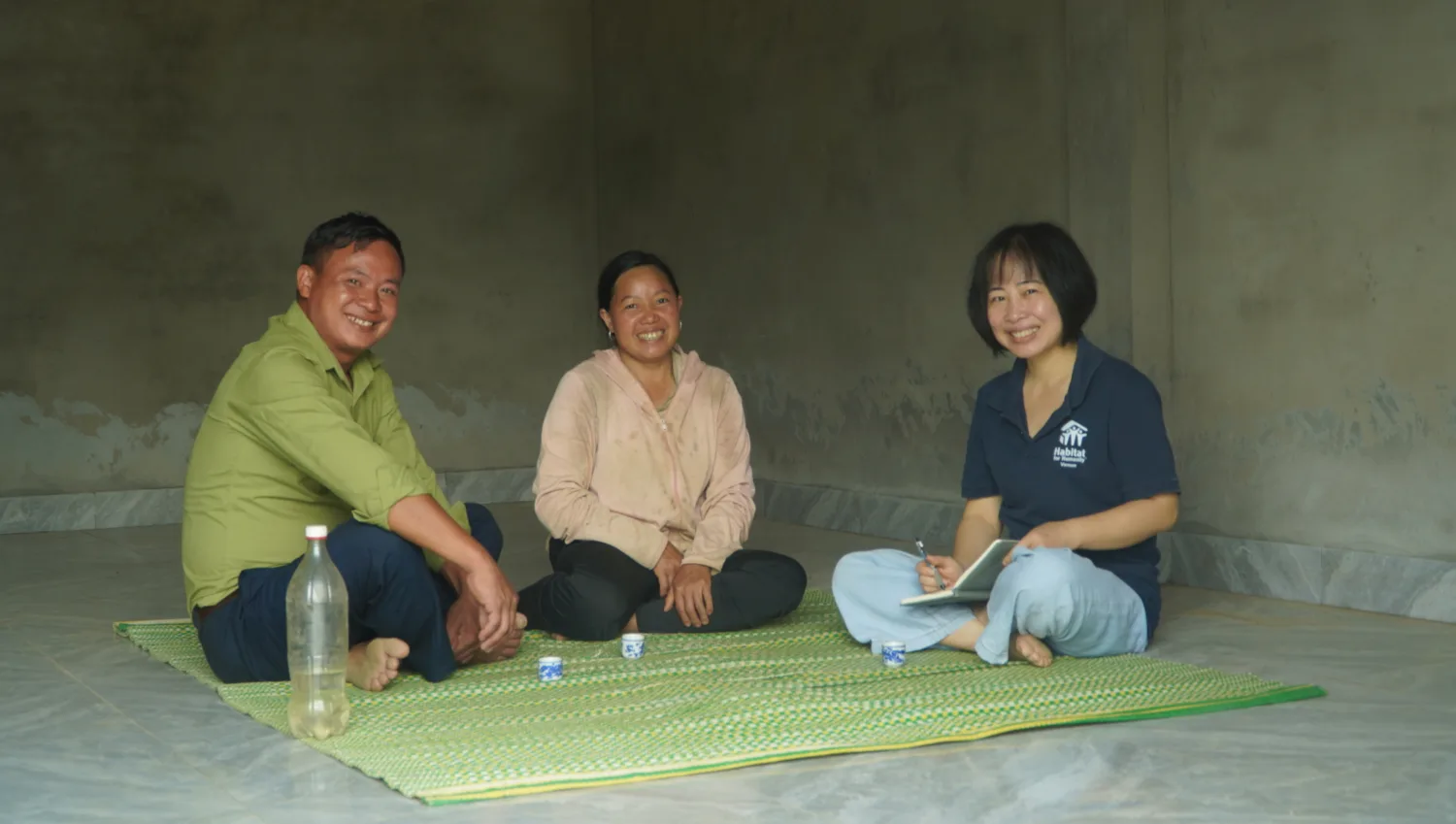
Mr. Su and his wife carrying out daily activities—cooking and washing the dishes—in their newly built home, with joy clearly reflected on their faces.
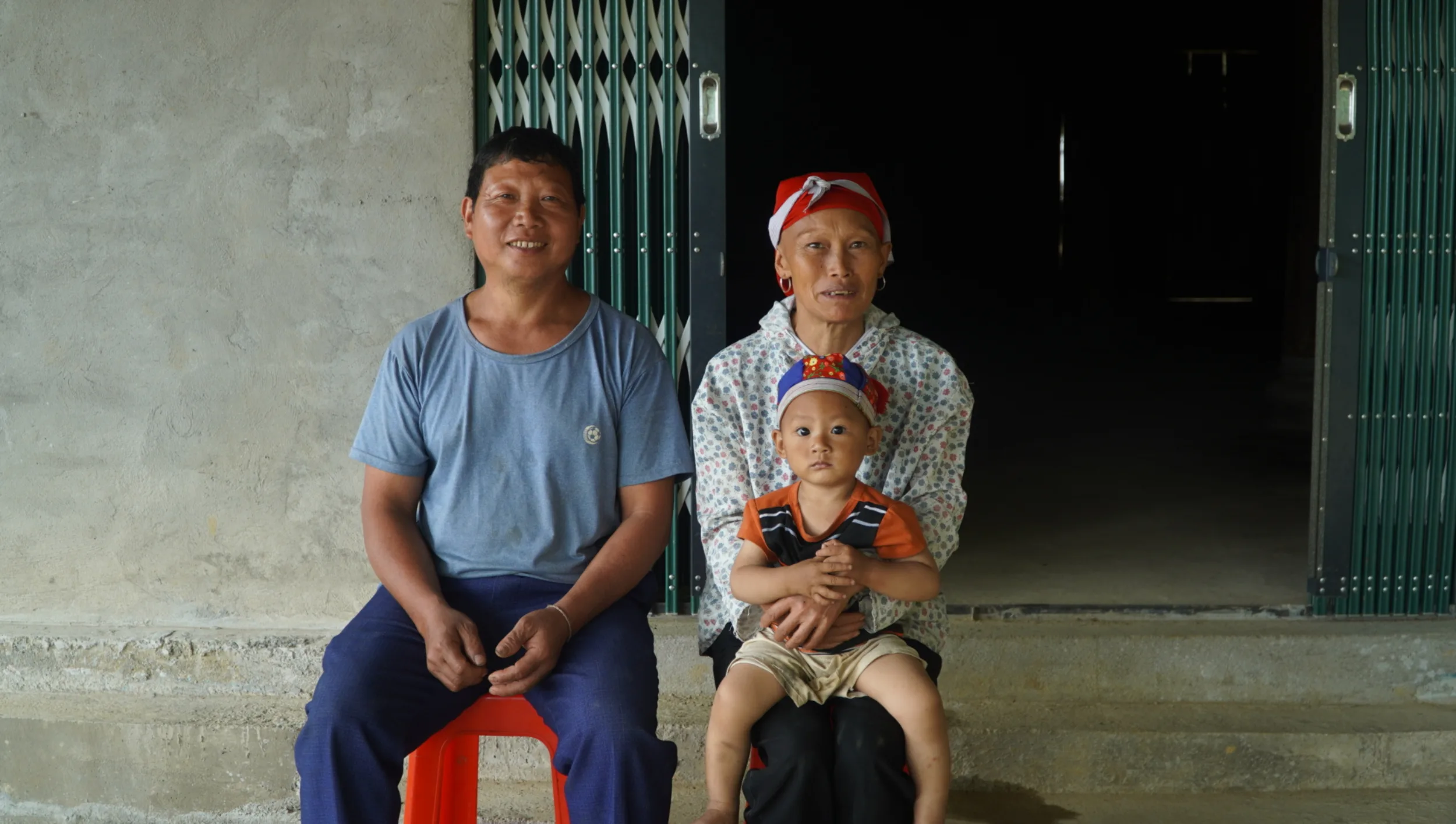
For Chao Van Phu, every rainy night became unbearable in the small wooden house he lived in. His home, provided shelter to seven people, spanning three generations and it had long outlived its safe lifespan. When Typhoon Yagi arrived, prolonged rainfall caused the ground beneath the house to crack and subside. The structure tilted dangerously.
Local authorities confirmed the house was no longer safe. While leaving behind a home full of memories was not easy. But with three young grandchildren under their roof, safety had to come first.
Habitat for Humanity Vietnam offered not just financial support, but technical guidance, safe construction training, and close supervision throughout the building process. The family didn't just receive a house, they helped build it.
The new home was completed to Build Back Safer standards, with a strong foundation, durable structure, and proper kitchen and sanitation facilities. On the day they moved in, the relief on their faces was clear.
"We are no longer afraid when heavy rain comes," Mr. Phu said. "This house gives our family new hope."
The grandchildren are back in school. The family is rebuilding their livelihood. And across Lao Vang, more families like theirs are finding their footing. One home at a time.
For families like Ly and Chao’s, a safe new home means sleeping without fear, children back in school, and a future worth planning for because a safe home is never just four walls. It sparks wider change: better health, better education, and a stronger foundation for families to build their future on their own terms.
It all starts with an open door. With your support, we can keep opening them, across Vietnam, across the Pacific, and wherever families need a safe place to call home.
Habitat for Humanity New Zealand is proud to have supported this work alongside Habitat Vietnam. Because we believe, without exception, that everyone deserves a decent place to live, and that belief drives everything we do.


If you wish to make a donation via credit card over the phone, please phone us on (09) 579 4111
You can donate via internet banking:
Habitat for Humanity New Zealand
ANZ
06-0177-0127197-00
If you wish your donation to go to a specific appeal please include in the payment Reference
If you make a donation on our website your receipt will be emailed to you automatically.
If you choose to donate via internet banking, you will receive your receipt via email 1-2 days after you make your donation. If no email address is given, your receipt will be posted to the address given.
Donations over $5.00 are tax deductible. You can submit your receipt to IRD website, and they will process your tax rebate.
Yes, you can give regular monthly donations to your chose Habitat for Humanity appeal. Just select 'give monthly' when processing your donation payment.
You can change, cancel or suspend your monthly donation at any time. Please email us at info@habitat.org.nz, or phone us on (09) 579 4111.
Your credit card will be charged once you submit your first monthly gift, and future donations will be made on that same day going forward. If you wish to change your payment date to better suit your pay cycle, please get in touch via information@habitat.org.nz, or phone us on (09) 579 4111 and we can easily action that for you.
Yes, you will receive an annual tax receipt at the close of the financial year, recording all donations.
Yes, if you wish to donate via internet banking, our details are
Habitat for Humanity New Zealand
ANZ
06-0177-0127197-00
If you wish your donation to go to a specific appeal, please enter into your Reference
One tax receipt recording all your donations for the financial year, making it easy to claim your tax rebate.
With small payments spread out month to month, becoming a HopeBuilder can suit any budget. Even a small amount can have a huge impact.
Your donation occurs automatically each month, and you can pause, downgrade, upgrade, or cancel at any time.
Your regular support ensures long-term impact, all year long.
Please fill in the below enquiry form and we will be in touch soon.
Please fill in the below enquiry form with your details and we will be in touch within 2 working days.